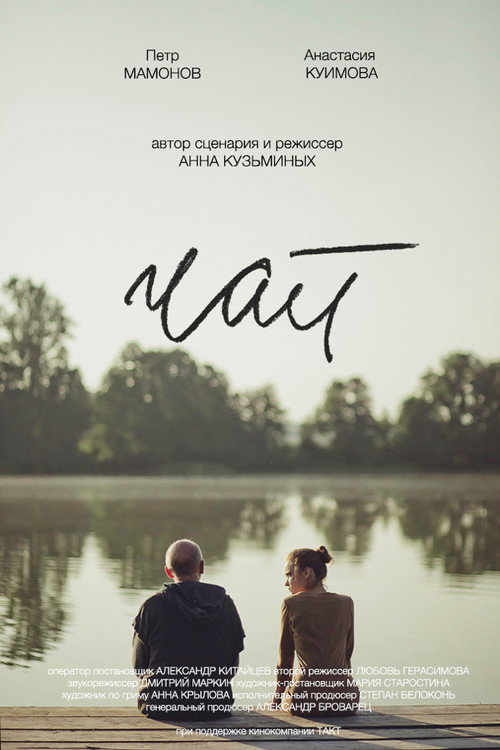
Tea 2016
In *Tea (2016)*, visionary director Anna Kuzminykh crafts a poignant 20-minute drama that unfolds in quiet, meditative moments.
Director: Anna Kuzminykh
Cast

Frequently Asked Questions
What is Tea (2016) about?
Anna Kuzminykh's *Tea* is a reflective short drama that delves into the inner world of a character grappling with solitude and the search for meaning. Through quiet interactions and unspoken emotions, the film paints a portrait of human connection—or the lack thereof—set against the backdrop of everyday routines.
Who directed Tea?
Anna Kuzminykh is the director behind *Tea (2016)*, bringing a delicate and introspective approach to this short drama.
Who stars in Tea?
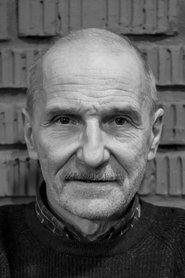
The film features Pyotr Mamonov and Anastasia Kuimova in its leading roles, with Mamonov delivering a standout performance.
Is Tea (2016) worth watching?
*Tea* may be brief, but its emotional resonance makes it a memorable experience. With its thoughtful themes and strong performances, it's a film that appeals to fans of intimate, character-driven storytelling—even if the runtime is short.
How long is Tea?
Tea (2016) runs for 20 minutes.
About Tea (2016) — A Short Drama That Stays With You Long After It Ends
In *Tea (2016)*, visionary director Anna Kuzminykh crafts a poignant 20-minute drama that unfolds in quiet, meditative moments. The film follows a deeply introspective journey centered on a solitary character, whose inner turmoil and emotional struggles are reflected in the simplicity of everyday rituals. With a tone that balances melancholy and quiet hope, *Tea* explores themes of solitude, self-discovery, and the fragile connections between people. Pyotr Mamonov delivers a powerhouse performance, his presence anchoring the narrative with raw authenticity, while Anastasia Kuimova adds depth to the story's emotional landscape. The stark yet elegant cinematography enhances the film's contemplative mood, making it a compelling watch for fans of character-driven cinema.
When the weight of silence becomes as heavy as the tea leaves steeping in a cup, *Tea (2016)* asks what it means to truly connect. The film's minimalist approach doesn't dilute its impact—instead, it invites viewers to read between the lines, to find meaning in the pauses and the unspoken. Set against a backdrop that feels both timeless and deeply personal, this short drama lingers long after the credits roll, leaving audiences to ponder the quiet revolutions that happen in the spaces we least expect.