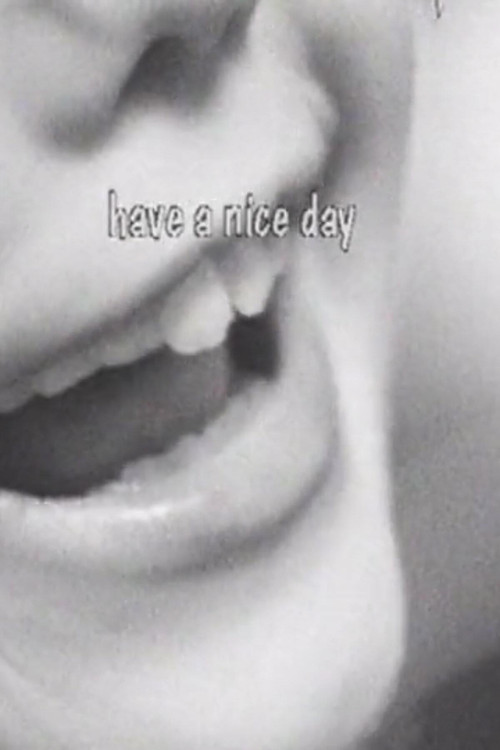
Have A Nice Day Alone 2002
Dive into the mesmerizing micro-cinematic world of *Have a Nice Day Alone (2002)*, Leslie Thornton's enigmatic 7-minute documentary that defies conventions with its hypnotic visual and auditory experimentation.
Director: Leslie Thornton
Frequently Asked Questions
What is *Have a Nice Day Alone* (2002) about?
This short documentary by Leslie Thornton immerses viewers in a surreal, pulsating visual and auditory landscape. The film challenges perceptions of space and sound, blending distorted imagery with eerie vocalizations to create an atmosphere of both unease and fascination.
Who directed *Have a Nice Day Alone*?
Leslie Thornton, an acclaimed experimental filmmaker known for her innovative and unpredictable style, directed *Have a Nice Day Alone* in 2002.
Who stars in *Have a Nice Day Alone*?
Cast details for *Have a Nice Day Alone* are not publicly listed.
Is *Have a Nice Day Alone* (2002) worth watching?
While niche and polarizing, *Have a Nice Day Alone* is a standout example of experimental documentary filmmaking. Its unique visual and auditory approach offers a thought-provoking experience for fans of avant-garde cinema, though it may not appeal to traditional viewers.
How long is *Have a Nice Day Alone*?
*Have a Nice Day Alone* runs for 7 minutes.
About Have A Nice Day Alone (2002) — Leslie Thornton's 7-Minute Experimental Masterpiece Unveiled
Dive into the mesmerizing micro-cinematic world of *Have a Nice Day Alone (2002)*, Leslie Thornton's enigmatic 7-minute documentary that defies conventions with its hypnotic visual and auditory experimentation. Thornton, renowned for her avant-garde approach, crafts a film where the screen itself pulses with an otherworldly rhythm, shrinking, flowing, and collapsing in a dance that feels both alien and deeply human. The imagery is a surreal symphony of technological twitches and fluid distortions, while layers of yodeling and macabre laughter drift through the background, creating an unsettling yet captivating soundscape. Text flashes across the frames, teasing at the boundaries between speech and silence, inviting viewers into a dreamscape where nothing is quite as it seems.
This isn't just a film—it's an experience. *Have a Nice Day Alone (2002)* pushes the limits of short-form documentary storytelling, blending the personal with the abstract to explore themes of isolation, expression, and the fragility of perception. Thornton's genius lies in her ability to make the unseen visible, turning a fleeting moment into an enduring enigma. Whether you're a fan of experimental cinema or simply curious about boundary-pushing art, this film lingers long after the credits roll.