Semiotic Plastic 2021
Radu Jude's *Semiotic Plastic (2021)* turns the mirror on humanity by framing the arc of life through the toys we create for children.
Director: Radu Jude
Frequently Asked Questions
What is Semiotic Plastic (2021) about?
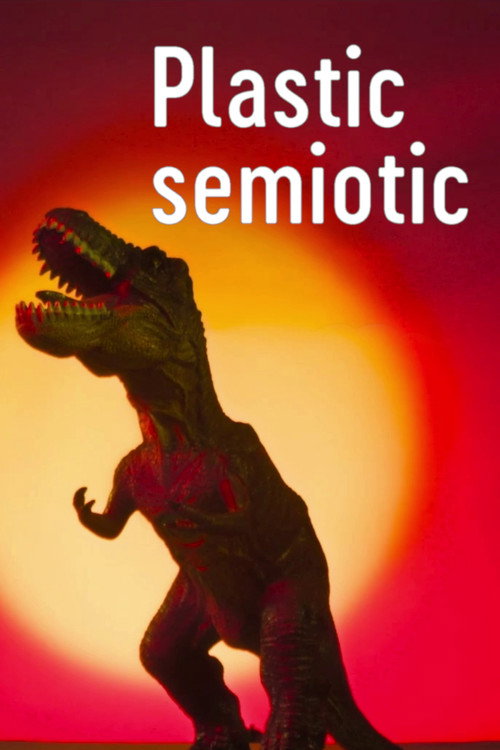
*Semiotic Plastic* explores the human experience through the lens of toys, using them as symbols for life's stages. The film follows a trajectory from infancy to old age, but replaces people with objects we create for children, highlighting how these artifacts reflect our own journeys.
Who directed Semiotic Plastic?
The film was directed by Radu Jude, the acclaimed Romanian filmmaker known for his bold, socially conscious cinema.
Who stars in Semiotic Plastic?
Cast details for *Semiotic Plastic* are not provided, as the film centers on inanimate objects rather than actors.
Is Semiotic Plastic (2021) worth watching?
As a 22-minute experimental comedy, *Semiotic Plastic* may appeal to fans of avant-garde cinema or those curious about Radu Jude's unique perspective. Its brevity and conceptual approach make it a quick watch, though its niche appeal might limit broader interest.
How long is Semiotic Plastic?
The film runs for 22 minutes.
🎥 Trailer
About Semiotic Plastic (2021) — A Toy-Filled Meditation on Life's Endless Cycle
Radu Jude's *Semiotic Plastic (2021)* turns the mirror on humanity by framing the arc of life through the toys we create for children. Rather than depicting birth to old age directly, the 22-minute short film weaves a collage of playful vignettes, using plastic playthings as metaphors for growth, learning, and inevitable decay. Each scene captures the bittersweet essence of existence—joy mingling with melancholy—as silent toys mimic human struggles and triumphs, offering a whimsical yet profound lens on what it means to prepare the next generation for the world.
With its experimental approach and satirical edge, *Semiotic Plastic* blends comedy and philosophy, leaving viewers to ponder whether these objects are teaching tools or relics of our own making. Jude's direction infuses the project with a mix of nostalgia and irony, crafting an atmosphere that feels both intimate and detached—a meditation on legacy wrapped in the colorful sheen of childhood imagination.