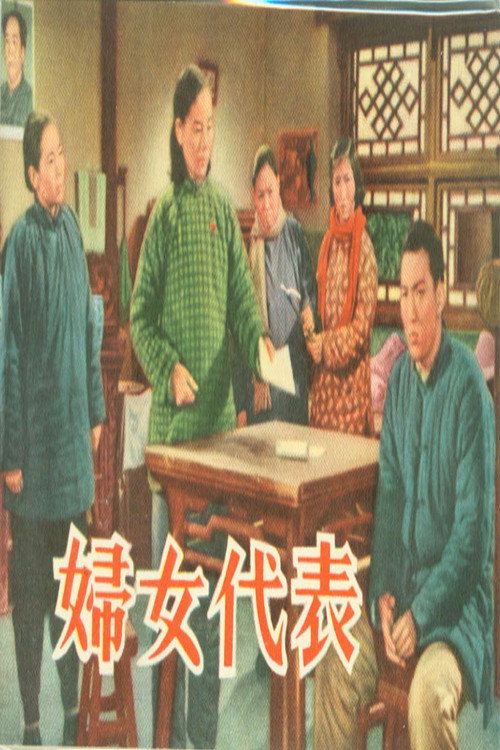
妇女代表 1953
Set in post-revolution China, 妇女代表 (1953) follows the journey of rural women stepping into the political spotlight as delegates.
Director: Chen Xihe
Cast
Frequently Asked Questions
What is 妇女代表 (1953) about?
The film explores the rise of rural women as political representatives in post-revolution China. It centers on a village leader whose work inspires her community to embrace new social roles, blending personal struggles with collective progress.
Who directed 妇女代表?
Chen Xihe directed 妇女代表, a film celebrated for its authentic portrayal of China's early socialist era.
Who stars in 妇女代表?
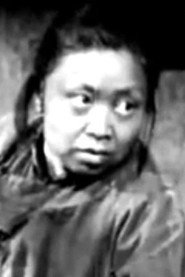
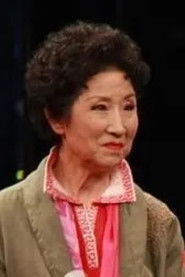
The cast includes Qi Wang as the village leader, alongside Min Zhou and Sun Fengqin in key supporting roles.
Is 妇女代表 (1953) worth watching?
While it lacks an IMDb rating, 妇女代表 stands out for its historical significance and character-driven storytelling. Its themes of resilience and societal change make it a compelling watch for fans of early Chinese cinema or feminist historical dramas.
How long is 妇女代表?
Runtime details are not listed for 妇女代表.
About 妇女代表 (1953) — Early Chinese Cinema's Forgotten Gem of Social Transformation
Set in post-revolution China, 妇女代表 (1953) follows the journey of rural women stepping into the political spotlight as delegates. Directed by Chen Xihe, this early socialist cinema classic captures the raw energy and social transformation of the era, blending personal stories with collective hope. Qi Wang portrays a determined village leader whose quiet strength inspires her community, while Min Zhou and Sun Fengqin embody the diverse voices emerging from China's countryside. The film immerses viewers in a world where tradition meets progress, framed by communal gatherings and intimate family moments that reveal the quiet revolution unfolding in everyday lives.
Through subtle performances and evocative cinematography, 妇女代表 (1953) becomes more than a political statement—it's a heartfelt portrait of resilience and unity. The director's focus on character-driven narratives over propaganda gives the film a timeless quality, making it essential viewing for anyone interested in early Chinese cinema or the evolving role of women in society. Whether you're drawn by history, drama, or stellar performances, this film offers a compelling glimpse into a pivotal moment in China's past.