Slovenské ľudové tance 1952
Step back in time with *Slovenské ľudové tance (1952)*, a captivating documentary directed by Dimitrij Plichta that immerses viewers in the rich cultural heritage of Slovakia.
Director: Dimitrij Plichta
Cast
Frequently Asked Questions
What is Slovenské ľudové tance (1952) about?
This documentary delves into the traditional folk dances of Slovakia, capturing their cultural significance and historical roots. It showcases the movements, music, and stories behind these dances, offering a window into the country's heritage.
Who directed Slovenské ľudové tance?
Slovenské ľudové tance (1952) was directed by Dimitrij Plichta, a filmmaker known for his contributions to Slovak cinema.
Who stars in Slovenské ľudové tance?
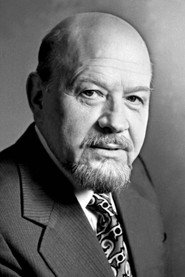
The documentary features Viliam Záborský, a prominent figure in Slovak film, alongside the dancers and communities preserving these traditions.
Is Slovenské ľudové tance (1952) worth watching?
While it's a niche documentary, *Slovenské ľudové tance* offers a unique glimpse into Slovak culture. Its historical value and artistic presentation make it a worthwhile watch for those interested in folk traditions or early filmmaking.
How long is Slovenské ľudové tance?
Runtime details for Slovenské ľudové tance (1952) are not listed.
About Slovenské ľudové tance (1952) — A Folk Dance Documentary Capturing Slovakia's Cultural Heart
Step back in time with *Slovenské ľudové tance (1952)*, a captivating documentary directed by Dimitrij Plichta that immerses viewers in the rich cultural heritage of Slovakia. Through a lens that blends tradition with artistry, this film documents the vibrant world of folk dance, preserving the rhythms and movements that have defined Slovak communities for generations. With a backdrop of rustic villages and communal gatherings, the documentary captures the essence of Slovak identity, showcasing dances that tell stories of love, celebration, and resilience. The atmosphere is both nostalgic and vibrant, transporting audiences to an era where every step, clap, and melody held deep cultural significance.
Dimitrij Plichta's direction brings a poetic touch to the film, balancing authenticity with cinematic flair. Viliam Záborský, a key figure in Slovak cinema, lends his presence to this cultural journey, adding gravitas to the portrayal of these timeless traditions. *Slovenské ľudové tance (1952)* isn't just a film; it's a celebration of heritage, a visual archive that ensures the spirit of Slovak folk dance endures for future audiences.