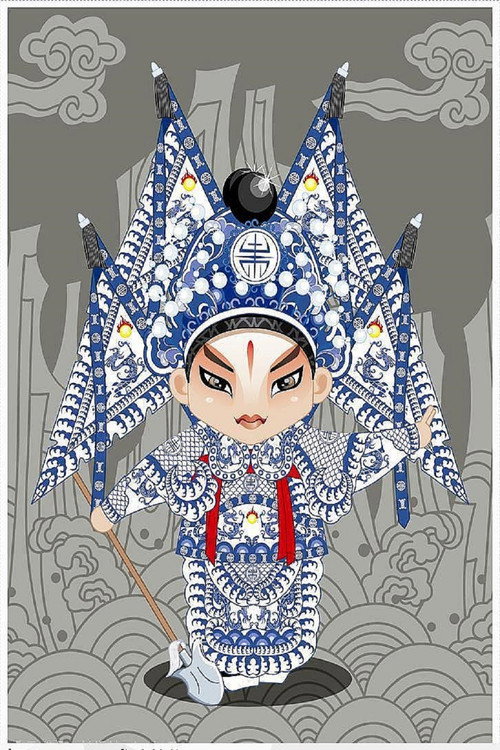
Chang ban po 1905
Dive into the cinematic origins of Chinese filmmaking with *Chang ban po (1905)*, a landmark silent-era short directed by Ren Jingfeng.
Director: Ren Jingfeng
Cast
Frequently Asked Questions
What is Chang ban po (1905) about?
Though scant records survive, *Chang ban po* is believed to be one of China's earliest motion pictures, likely blending early storytelling with traditional theatrical elements. Its plot remains a mystery, but its historical importance overshadows any narrative gaps.
Who directed Chang ban po?
Ren Jingfeng is credited as the director of *Chang ban po (1905)*, making him a pioneering figure in early Chinese cinema.
Who stars in Chang ban po?
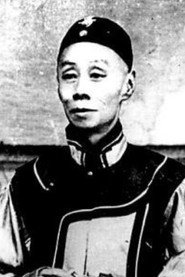
The film features Tan Xinpei, a titan of Peking Opera, whose presence suggests a fusion of stage and screen artistry.
Is Chang ban po (1905) worth watching?
While *Chang ban po* exists more as a historical artifact than a narrative experience, its cultural and cinematic significance makes it a must-know for film buffs. Its rarity and influence outweigh its limited documentation.
How long is Chang ban po?
Runtime details are not listed.
About Chang ban po (1905) — The Silent Short That Launched Chinese Cinema's Legacy
Dive into the cinematic origins of Chinese filmmaking with *Chang ban po (1905)*, a landmark silent-era short directed by Ren Jingfeng. Though little remains of this early work, it stands as a testament to the country's first steps in moving pictures, blending early storytelling techniques with the visual drama that would define generations to come. The film captures a bygone era, its atmosphere steeped in the cultural richness of turn-of-the-century China, offering a glimpse into the artistic evolution of motion pictures.
Starring the legendary Tan Xinpei—renowned for his Peking Opera performances—the film likely fused traditional performance art with pioneering film techniques. While specific genres and plot details remain lost to time, the cultural significance of *Chang ban po* lies in its historical role as a precursor to China's rich cinematic tradition. Its sparse documentation only heightens its mystique, leaving film historians and enthusiasts to speculate about its narrative and visual style.