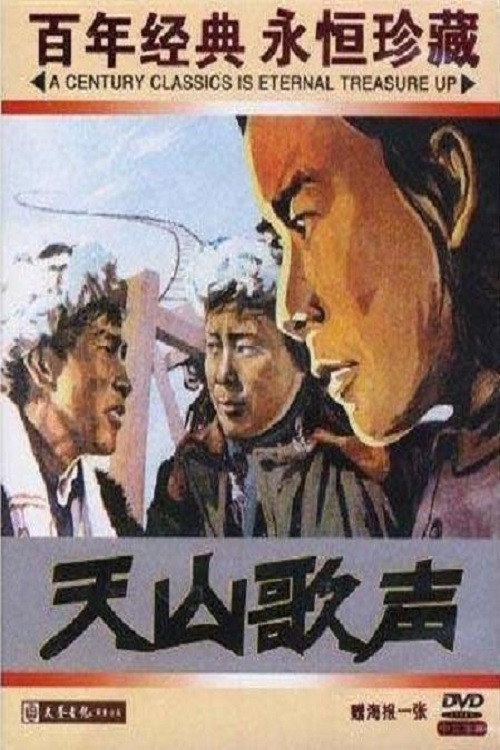
天山歌声 1959
Step back to 1959 and immerse yourself in 天山歌声, a lyrical journey set against the rugged peaks and sweeping valleys of the Tian Shan mountains.
Director: Wu Cun
Cast
Frequently Asked Questions
What is 天山歌声 (1959) about?
This 1959 film follows a wandering musician who arrives in a remote village nestled in the Tian Shan mountains. Through his performances, he connects with the local community, helping them rediscover their shared cultural identity and heal old wounds. The story unfolds as a gentle meditation on tradition, belonging, and the universal language of song.
Who directed 天山歌声?
Wu Cun directed 天山歌声 (1959), bringing a poetic and atmospheric approach that emphasizes visual storytelling over dialogue.
Who stars in 天山歌声?
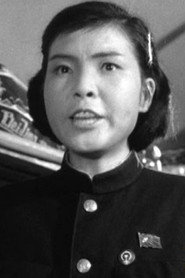
The film stars Xiujie Liu in the central role, supported by local performers who embody the spirit of the Tian Shan community.
Is 天山歌声 (1959) worth watching?
While not a commercial blockbuster, 天山歌声 (1959) offers a unique viewing experience for those who appreciate slow cinema and rich cultural themes. Its focus on music and landscape creates an immersive atmosphere, though its lack of a widely available plot summary may limit its appeal. For fans of classic Asian cinema with a contemplative edge, it's a quiet but rewarding discovery.
How long is 天山歌声?
Runtime details are not listed.
About 天山歌声 (1959) — A poetic 1959 film about music, mountains, and cultural harmony
Step back to 1959 and immerse yourself in 天山歌声, a lyrical journey set against the rugged peaks and sweeping valleys of the Tian Shan mountains. Directed by Wu Cun, this lesser-known gem weaves a quiet yet powerful narrative centered on music, heritage, and the unbreakable bond between a wandering musician and the local community he encounters. As strains of folk melodies drift across the landscape, the film unfolds like a visual poem—one that explores the healing power of song and the cultural identity woven into every note. Expect an atmosphere steeped in nostalgia, where the grandeur of nature mirrors the emotional depth of the story. While the plot remains understated, it lingers in the mind long after the final frame, making it a hidden treasure for fans of poetic cinema.
天山歌声 (1959) stands out for its visual lyricism and sensitivity, capturing a moment when traditional storytelling met modern filmmaking. With sparse dialogue and a focus on ambient soundscapes, Wu Cun crafts an experience that feels both timeless and deeply rooted in its time. Though not widely celebrated outside its era, its themes of harmony—between people, traditions, and nature—resonate with universal appeal.