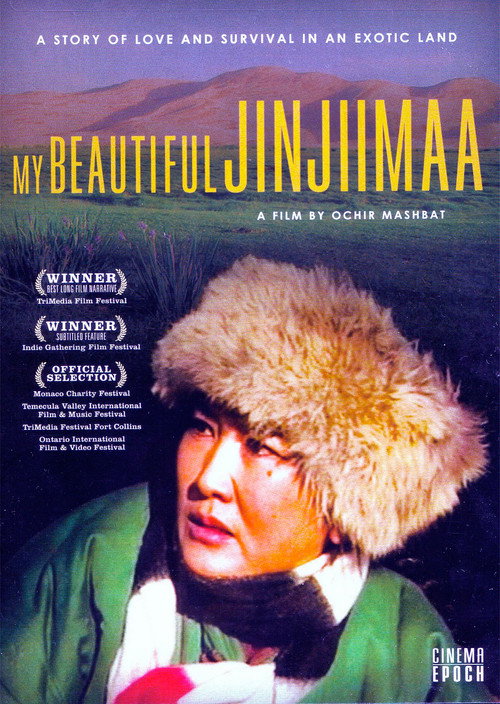
My Beautiful Jinjiimaa 2003
The quietly devastating Mongolian drama *My Beautiful Jinjiimaa* (2003), directed by Mashbat Ochir, unfolds in a remote countryside where hardship and silence speak louder than words.
Director: Mashbat Ochir
Cast



Frequently Asked Questions
What is My Beautiful Jinjiimaa (2003) about?
This Mongolian drama follows Jinjiimaa, a deaf woman who endures a brutal assault, and her loyal friend Sukhee, who takes the blame for her crime and serves prison time. Years later, their reunion forces them to confront painful truths while navigating a landscape of hardship and unspoken emotions.
Who directed My Beautiful Jinjiimaa?
Mashbat Ochir directed *My Beautiful Jinjiimaa*, delivering a poignant exploration of justice and human resilience through this intimate, character-driven story.
Who stars in My Beautiful Jinjiimaa?
The film stars Tserendagva Purevdorj, Battsetseg Natsagdorj, Gantsetseg Dorjgotov, Oyun-Erdene Purev-Ochir, and Gantulga Erdene in lead roles.
Is My Beautiful Jinjiimaa (2003) worth watching?
Though unrated on IMDb, *My Beautiful Jinjiimaa* stands out as a deeply moving drama with universal themes of love and justice. Its emotional depth and striking setting make it a hidden gem for fans of thoughtful, character-driven cinema.
How long is My Beautiful Jinjiimaa?
The film runs for 80 minutes.
🎥 Trailer
My Beautiful Jinjiimaa (2003): A Heartbreaking Mongolian Tale of Love and Sacrifice — Full Movie Info
The quietly devastating Mongolian drama *My Beautiful Jinjiimaa* (2003), directed by Mashbat Ochir, unfolds in a remote countryside where hardship and silence speak louder than words.
When a deaf woman named Jinjiimaa becomes the victim of a horrific crime, her lifelong friend Sukhee—a lame farmer—takes the fall for her violent act, serving six years in prison. Upon his return, their reunion is charged with unspoken burdens, as each carries a secret that threatens to either shatter or heal their fragile bond. This raw, emotionally charged narrative explores themes of justice, sacrifice, and the quiet resilience of marginalized voices in a world that often overlooks them.