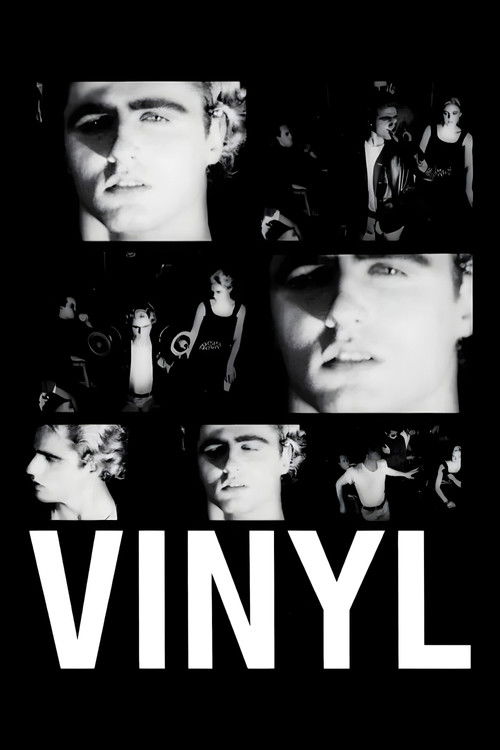
Vinyl 1965
Dive into Andy Warhol's *Vinyl (1965)*, a surreal and subversive take on Anthony Burgess's dystopian novel *A Clockwork Orange*.
Director: Andy Warhol
Cast
Frequently Asked Questions
What is Vinyl (1965) about?
*Vinyl* is Andy Warhol's avant-garde reinterpretation of Anthony Burgess's *A Clockwork Orange*, stripped of its violent core and infused with the Factory's signature absurdity. The film follows a group of eccentric characters in a cluttered, monochrome New York loft, where satire and surrealism blur the line between dystopia and dreamlike chaos.
Who directed Vinyl?
Vinyl was directed by Andy Warhol, the legendary pop-art icon who redefined modern art and cinema with his experimental, boundary-pushing style.
Who stars in Vinyl?
The film stars Gerard Malanga, Ondine, Edie Sedgwick, Tosh Carillo, and J.D. McDermott, all key figures in Warhol's Factory collective.
Is Vinyl (1965) worth watching?
*Vinyl* is a fascinating curiosity for fans of Warhol's work or 1960s avant-garde cinema. While it lacks the polish of mainstream films, its raw, improvisational energy and thematic depth make it a compelling watch—especially for those interested in the intersection of art, rebellion, and pop culture.
How long is Vinyl?
Vinyl runs for 70 minutes.
About Vinyl (1965) — Warhol's Surreal Sci-Fi Comedy Reimagined from Burgess
Dive into Andy Warhol's *Vinyl (1965)*, a surreal and subversive take on Anthony Burgess's dystopian novel *A Clockwork Orange*. This experimental sci-fi comedy short strips the source material of its violent edges, replacing them with Warhol's signature pop-art aesthetic and deadpan absurdity. The film unfolds in a dimly lit, cluttered loft, where a group of eccentric characters—each dripping with the avant-garde energy of the 1960s New York scene—navigate a world that feels both futuristic and bizarrely mundane. Warhol's signature style shines through in the film's languid pacing, stark monochrome visuals, and the improvisational chemistry of his muses, creating an atmosphere that's equal parts hypnotic and unsettling.
Starring Warhol's iconic collaborators like Gerard Malanga, Ondine, and Edie Sedgwick, *Vinyl* blends satire with social commentary, critiquing both the rigid structures of society and the chaotic freedom of counterculture. The film's loose, fragmented narrative mirrors the disjointed energy of Warhol's Factory scene, where art, rebellion, and identity collide. Though not a direct adaptation, *Vinyl* captures the spirit of Burgess's themes—free will, control, and the absurdity of human behavior—through Warhol's unique lens. It's a cult classic that's as much a time capsule of the era as it is a playful, provocative experiment in cinema.