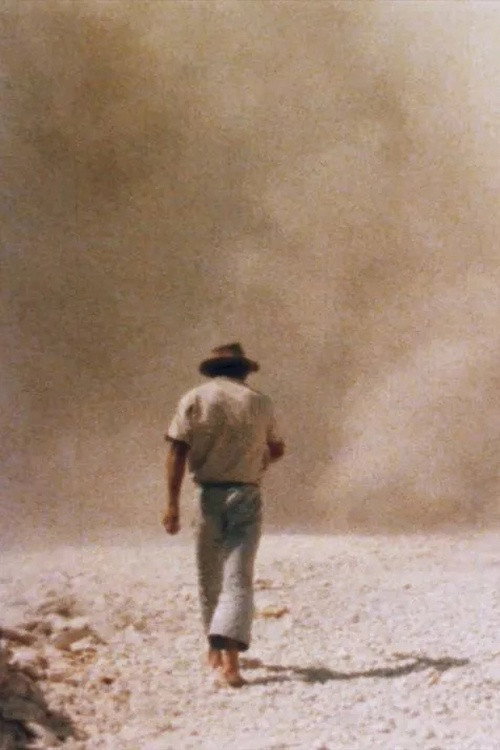
Hombres del viento 1984
Directed by José Antonio Portugal, *Hombres del viento (1984)* plunges viewers into the raw, unforgiving world of Arequipa's ashlar quarry workers.
Director: José Antonio Portugal
Frequently Asked Questions
What is *Hombres del viento (1984)* about?
The film follows migrant workers in Arequipa who toil in a massive volcanic quarry, extracting stone to build a city they'll never call home. Their labor is brutal, their hopes fragile, and their lives shaped by the relentless wind that brought them there.
Who directed *Hombres del viento*?
The film was directed by José Antonio Portugal, a filmmaker known for his socially conscious storytelling and unflinching depictions of marginalized communities.
Who stars in *Hombres del viento*?
The cast details for *Hombres del viento (1984)* are not available, but the film centers on the collective experience of its migrant quarry workers, portrayed with raw authenticity.
Is *Hombres del viento (1984)* worth watching?
While it lacks a widely recognized rating, *Hombres del viento* offers a compelling, visually striking exploration of labor and displacement. Its themes and atmosphere make it a thought-provoking watch for fans of socially engaged cinema.
How long is *Hombres del viento*?
Runtime details for *Hombres del viento (1984)* are not listed.
About Hombres del viento (1984) — A Stark Portrait of Migrant Labor and Displacement
Directed by José Antonio Portugal, *Hombres del viento (1984)* plunges viewers into the raw, unforgiving world of Arequipa's ashlar quarry workers. Trapped in a vast, jagged fissure in the earth, these migrants—driven by economic desperation and a relentless, almost mythic wind—carve volcanic stone to build a metropolis that feels entirely foreign to them. Their labor is backbreaking, their dreams precarious, and their existence tied to a place that promises little but demands everything.
The film paints a stark portrait of uprooted lives, where hope is as fragile as the stone they extract. Portugal's vision captures the tension between human resilience and the crushing weight of displacement, blending social realism with a haunting, almost allegorical atmosphere. *Hombres del viento (1984)* is less a story about a place than it is about the lives ground down by it.