Uruguay 1969: El Problema de la Carne 1969
Dive into the raw, unfiltered reality of 1960s Uruguay with *Uruguay 1969: El Problema de la Carne (1969)*, Mario Handler's gripping documentary that captures a pivotal moment in labor history.
Director: Mario Handler
Frequently Asked Questions
What is Uruguay 1969: El Problema de la Carne (1969) about?
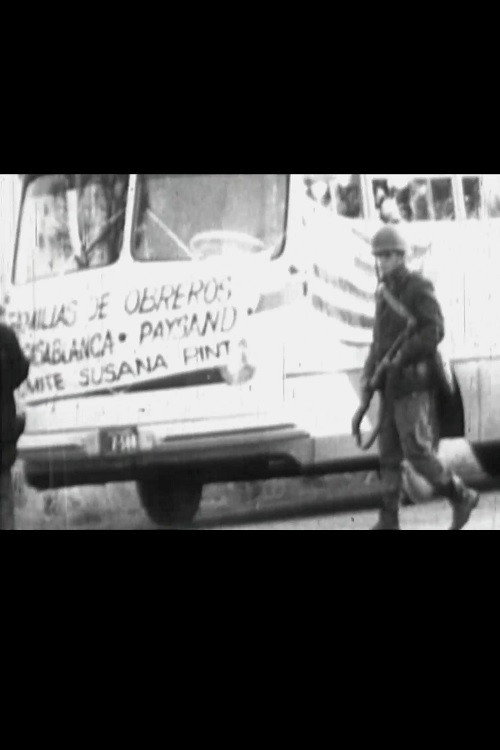
This documentary chronicles the historic 1969 strike by Uruguay's meat industry workers after their salaries in meat were slashed. The film captures the workers' fight for fair wages, political corruption, and the brutal clashes that followed as protests escalated across the country.
Who directed Uruguay 1969: El Problema de la Carne?
The film was directed by Mario Handler, a Uruguayan filmmaker known for his documentary work that delves into social and political issues of his time.
Who stars in Uruguay 1969: El Problema de la Carne?
Director Mario Handler is the central creative force behind the film, though specific cast details are not listed.
Is Uruguay 1969: El Problema de la Carne (1969) worth watching?
As a concise but impactful documentary, *Uruguay 1969* offers a window into a pivotal moment in labor history. While short, its themes of inequality and resistance resonate powerfully, making it a compelling watch for fans of political documentaries and social history.
How long is Uruguay 1969: El Problema de la Carne?
The film runs for 21 minutes.
About Uruguay 1969: El Problema de la Carne (1969) — A Short but Powerful Labor Struggle Documentary
Dive into the raw, unfiltered reality of 1960s Uruguay with *Uruguay 1969: El Problema de la Carne (1969)*, Mario Handler's gripping documentary that captures a pivotal moment in labor history. This 21-minute cinematic snapshot exposes the explosive tensions between Uruguay's meat industry workers and a political system deeply intertwined with economic elites and foreign interests.
The film documents the historic strike sparked when workers were stripped of their meager meat rations, igniting protests that revealed the stark contrast between opulence and destitution. Handler's lens exposes the machinery of power—politicians, corporate leaders, and even international influences—while the streets erupt with defiant demonstrations and clashes with police. It's a stark portrayal of class struggle, set against a backdrop of decaying farms and the desperate lives of those fighting for survival.