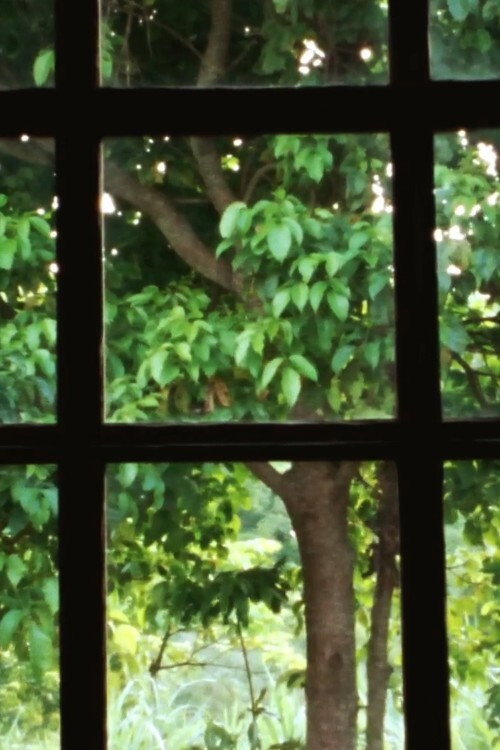
The Unnamed II 2012
Huang Ya-Li's *The Unnamed II (2012)* continues the director's quietly provocative Sweet Potato trilogy, a minimalist exploration of rural Taiwanese life where silence speaks louder than words.
Director: Huang Ya-Li
Frequently Asked Questions
What is The Unnamed II (2012) about?
This short film follows a character grappling with an unnamed emotional burden, set against the backdrop of rural Taiwan. It's a meditative study of longing and identity, stripped of exposition and rich in visual storytelling. The narrative unfolds through subtle gestures and quiet moments of reflection.
Who directed The Unnamed II?
The film was directed by Huang Ya-Li, whose Sweet Potato trilogy is celebrated for its poetic realism and focus on marginalized communities.
Who stars in The Unnamed II?
Cast details for this 2012 short are not publicly available.
Is The Unnamed II (2012) worth watching?
While short in runtime, *The Unnamed II* offers a rewarding experience for fans of atmospheric, character-driven cinema. Its restrained approach and thematic depth make it more compelling for those seeking substance over spectacle. The film's quiet power lies in what it doesn't say, which may not appeal to mainstream audiences but resonates deeply with indie film enthusiasts.
How long is The Unnamed II?
The film runs for 14 minutes.
About The Unnamed II (2012) — Huang Ya-Li's Quietly Powerful Short Film
Huang Ya-Li's *The Unnamed II (2012)* continues the director's quietly provocative Sweet Potato trilogy, a minimalist exploration of rural Taiwanese life where silence speaks louder than words. This 14-minute short film, wrapped in the warmth of earthy visuals and understated storytelling, dives deeper into themes of displacement and belonging, leaving audiences to decipher its subtle layers. Like its predecessor, the film thrives on atmosphere—longing lingers in every frame, framed by the stark beauty of everyday landscapes.
Part of a trilogy that embraces ambiguity as a storytelling tool, *The Unnamed II* avoids overt narrative, instead painting a mood that lingers long after the credits roll. The film's restrained elegance and focus on marginalized voices make it a standout in Huang's body of work, offering a meditative pause in an era of overstimulated cinema.