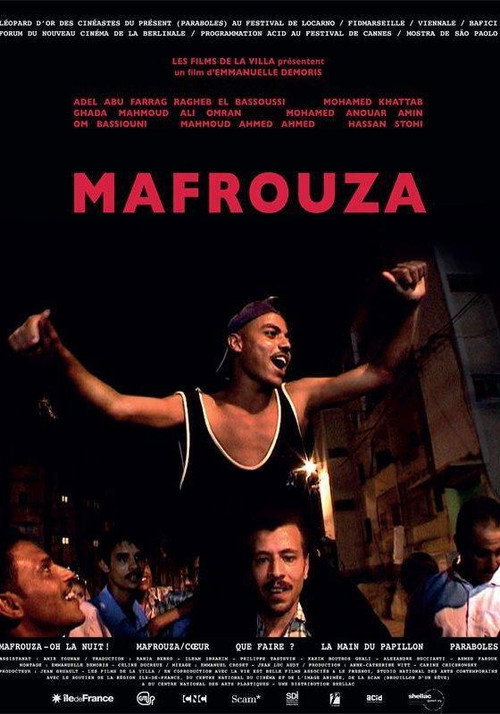
The Hand of the Butterfly 2010
The Hand of the Butterfly (2010) offers an intimate documentary portrait of life in Mafrouza, directed by Emmanuelle Demoris. This fourth installment in the acclaimed Mafrouza series captures the quiet drama unfolding within family walls during early winter.
Director: Emmanuelle Demoris
Frequently Asked Questions
What is The Hand of the Butterfly (2010) about?
The film documents life in Mafrouza during early winter, focusing on two key events—a birth and an engagement—that trigger personal transformations within families. It explores how individuals find their path through intimate moments, rituals, and conversations about life, death, and gender roles.
Who directed The Hand of the Butterfly?
Emmanuelle Demoris directed this documentary, bringing her distinctive observational style to the Mafrouza series.
Who stars in The Hand of the Butterfly?
Cast details for The Hand of the Butterfly are currently unavailable.
Is The Hand of the Butterfly (2010) worth watching?
For documentary enthusiasts drawn to intimate human stories, this film offers valuable insights into community life and personal growth. While unrated on IMDb, its artistic approach and cultural authenticity make it compelling for viewers interested in anthropological cinema.
How long is The Hand of the Butterfly?
The runtime is 142 minutes.
About The Hand of the Butterfly (2010) — Intimate Documentary of Egyptian Life
The Hand of the Butterfly (2010) offers an intimate documentary portrait of life in Mafrouza, directed by Emmanuelle Demoris. This fourth installment in the acclaimed Mafrouza series captures the quiet drama unfolding within family walls during early winter. The film follows two pivotal moments—a newborn boy's arrival and a young woman's engagement—as they set the stage for personal transformations that ripple through the community.
Through whispered conversations, sacred rituals, and everyday gestures, the documentary explores how individuals navigate their destinies amid familial turbulence. Demoris crafts a contemplative narrative where residents use imagination to process reality, touching on profound themes of life, mortality, and evolving gender roles. The intimate cinematography places viewers within these private spaces, creating an immersive experience that feels both immediate and timeless.
At 142 minutes, this contemplative documentary rewards patient viewers with its authentic portrayal of human resilience and connection. The film's atmosphere balances the sacred and mundane, revealing how ordinary moments become extraordinary through careful observation.