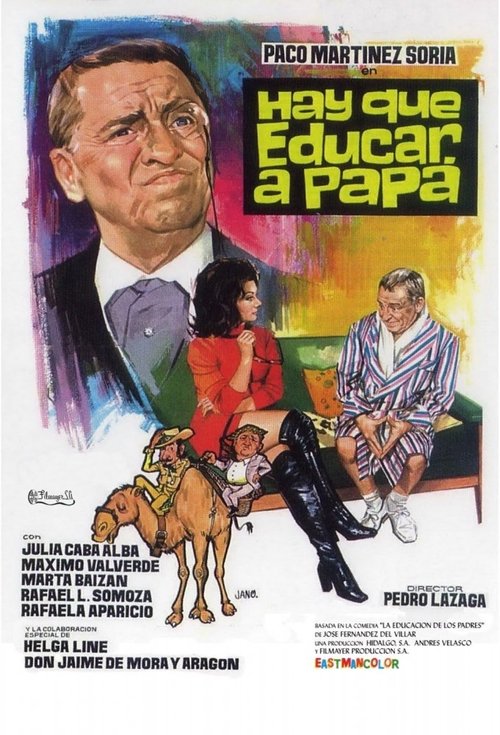
Hay que educar a papá 1971
In *Hay que educar a papá (1971)*, a spirited young woman with noble aspirations sets her sights on marrying the son of an earl, but there's a catch—her own parents' rough-and-tumble ways are holding her back.
Director: Pedro Lazaga Sabater
Cast






Frequently Asked Questions
What is Hay que educar a papá (1971) about?
The film follows a young woman eager to marry into nobility, but her parents' unrefined behavior threatens her plans. To win over her future in-laws, she must 'educate' her rough-and-tumble family, leading to a series of hilarious misadventures.
Who directed Hay que educar a papá?
The film was directed by Pedro Lazaga Sabater, a celebrated Spanish filmmaker known for his comedies and social dramas.
Who stars in Hay que educar a papá?
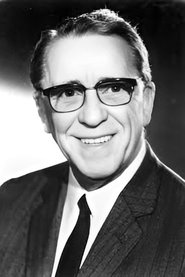
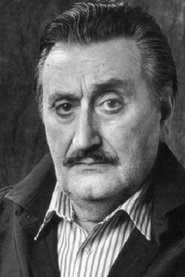
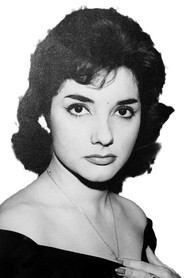
The cast includes Paco Martínez Soria, Julia Caba Alba, Máximo Valverde, Marta Baizán, and María Isbert, with Rafael López Somoza rounding out the ensemble.
Is Hay que educar a papá (1971) worth watching?
As an unrated classic Spanish comedy, it's a charming time capsule of 1970s humor and social satire. While not a blockbuster by modern standards, its wit and heart make it a nostalgic delight for fans of vintage cinema.
How long is Hay que educar a papá?
The film runs for 88 minutes.
🎥 Trailer
About Hay que educar a papá (1971) — A Classic Spanish Comedy of Class and Chaos
In *Hay que educar a papá (1971)*, a spirited young woman with noble aspirations sets her sights on marrying the son of an earl, but there's a catch—her own parents' rough-and-tumble ways are holding her back. Directed by the prolific Pedro Lazaga Sabater, this classic Spanish comedy dives into the humorous clash between rural simplicity and aristocratic refinement.
The film sparkles with the charm of 1970s Spanish cinema, blending wit, warmth, and a touch of satire as the villagers grapple with sudden wealth and the chaos of overnight social mobility. Led by the legendary Paco Martínez Soria and a delightful ensemble cast, *Hay que educar a papá (1971)* delivers sharp, crowd-pleasing humor while exploring themes of class, ambition, and the universal struggle to impress future in-laws.