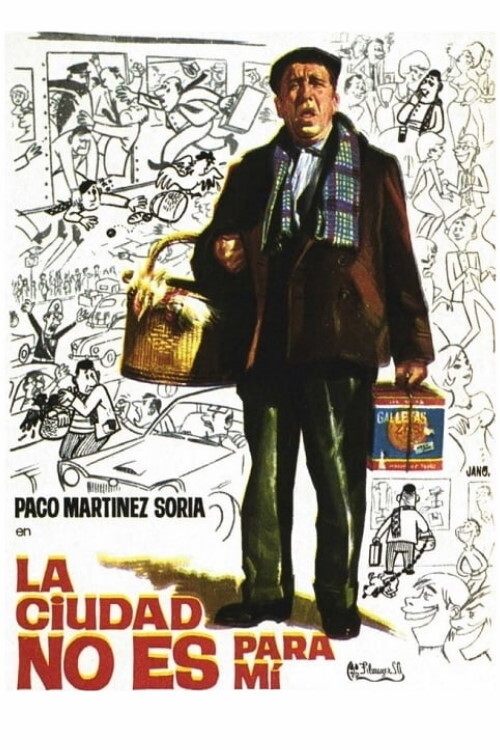
La ciudad no es para mí 1966
In *La ciudad no es para mí (1966)*, acclaimed Spanish director Pedro Lazaga Sabater delivers a heartfelt comedy about Agustín, a widowed small-town man who leaves his beloved Aragon village to visit his successful son—a renowned doctor—in Madrid.
Director: Pedro Lazaga Sabater
Cast








Frequently Asked Questions
What is La ciudad no es para mí (1966) about?
The film follows Agustín, a widower from rural Aragon who visits his estranged son in Madrid, only to find his old-fashioned ways clashing with their modern, detached lifestyle. It's a tender yet humorous exploration of family, change, and the shock of city life.
Who directed La ciudad no es para mí?
Pedro Lazaga Sabater directed the film, known for his work in mid-century Spanish comedies and dramas.
Who stars in La ciudad no es para mí?
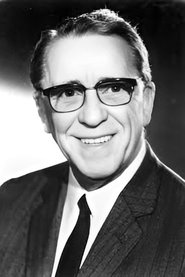
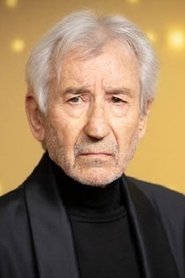
The film stars Paco Martínez Soria as Agustín, alongside Doris Coll, Eduardo Fajardo, Sancho Gracia, and Alfredo Landa.
Is La ciudad no es para mí (1966) worth watching?
With its sharp but affectionate take on generational divides, this classic Spanish comedy offers both laughs and quiet reflection. While unrated on IMDb, its enduring charm and cultural resonance make it a worthwhile watch for fans of vintage cinema.
How long is La ciudad no es para mí?
The film runs for 96 minutes.
🎥 Trailer
About La ciudad no es para mí (1966) — A Widower's Culture Clash in Classic Spanish Comedy
In *La ciudad no es para mí (1966)*, acclaimed Spanish director Pedro Lazaga Sabater delivers a heartfelt comedy about Agustín, a widowed small-town man who leaves his beloved Aragon village to visit his successful son—a renowned doctor—in Madrid.
What begins as a hopeful reunion quickly reveals the generation gap between Agustín's simple, traditional lifestyle and the fast-paced, modern world of his urban family. His son and daughter-in-law greet him with polite detachment, while even the household staff seem indifferent to his presence. This charming culture-clash comedy explores themes of loneliness, generational change, and the universal longing for belonging, all wrapped in the warm nostalgia of classic Spanish cinema.