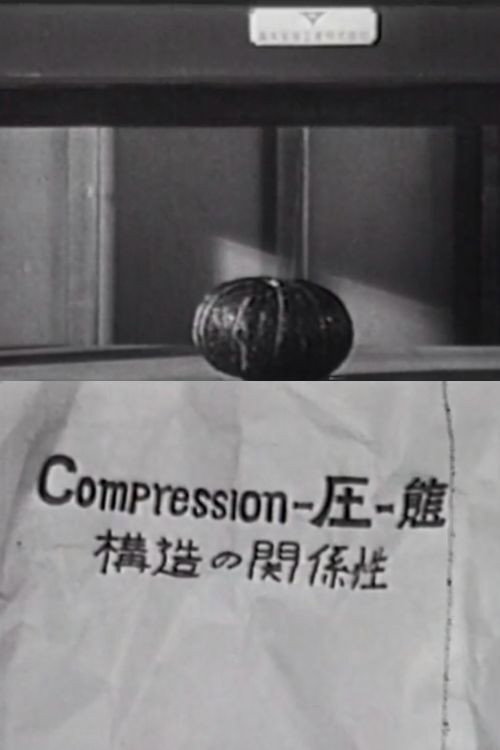
Compression—Relation of Matters 1971
Keiji Uematsu's 1971 experimental short film Compression—Relation of Matters unfolds as a meditative exploration of space, pressure, and the invisible forces that shape perception.
Director: Keiji Uematsu
Frequently Asked Questions
What is Compression—Relation of Matters (1971) about?
This experimental short by Keiji Uematsu examines the subtle dynamics between objects and their surroundings, using abstract imagery to provoke thought on space and pressure. The film focuses on visual relationships rather than traditional storytelling, leaving viewers to interpret its meaning.
Who directed Compression—Relation of Matters?
Compression—Relation of Matters was directed by Keiji Uematsu, a Japanese artist known for his pioneering work in experimental and conceptual filmmaking.
Who stars in Compression—Relation of Matters?
As an abstract experimental film, Compression—Relation of Matters does not feature traditional cast members; its focus is on visual and auditory composition rather than performers.
Is Compression—Relation of Matters (1971) worth watching?
If you appreciate avant-garde cinema that prioritizes atmosphere and ideas over narrative, Compression—Relation of Matters offers a unique and thought-provoking experience. While it may not appeal to those seeking conventional entertainment, experimental film enthusiasts will likely find its minimalist approach engaging.
How long is Compression—Relation of Matters?
Compression—Relation of Matters has a runtime of 15 minutes.
Compression—Relation of Matters (1971): Keiji Uematsu's Minimalist Masterpiece
Keiji Uematsu's 1971 experimental short film Compression—Relation of Matters unfolds as a meditative exploration of space, pressure, and the invisible forces that shape perception. Clocking in at just 15 minutes, the work strips cinematic language down to its essentials, using minimalist visuals and subtle sound design to evoke tension and curiosity. Through abstract compositions and precise framing, Uematsu invites viewers to question how objects and environments interact, leaving interpretation open to the interplay between form and context. The film's title itself suggests a study of relationships—whether physical, emotional, or conceptual—compressed into fleeting yet deliberate moments.
Though sparse on narrative, Compression—Relation of Matters (1971) resonates with the avant-garde sensibilities of its era, offering a quiet yet provocative cinematic experience. Its restrained aesthetic and philosophical undertones make it a compelling watch for fans of experimental, non-traditional storytelling who appreciate films that prioritize mood and idea over conventional plot structure.