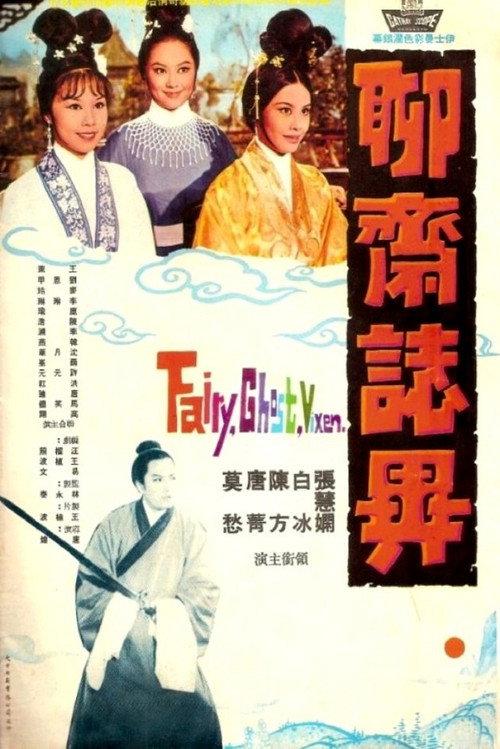
聊斋志异 1965
Set in the rich tapestry of Qing Dynasty China, 聊斋志异 (1965) weaves a collection of supernatural tales that linger like mist over the landscape.
Frequently Asked Questions
What is 聊斋志异 (1965) about?
This atmospheric drama unfolds through interconnected tales set in Qing Dynasty China, exploring themes of love, deceit, and the supernatural. Ghosts, fox spirits, and scholars navigate a world where the line between reality and the afterlife blurs, offering a glimpse into a realm steeped in folklore and moral reflection.
Who directed 聊斋志异?
Director information is not available.
Who stars in 聊斋志异?
The main cast includes several prominent actors from the era, though their specific names are not listed in available records.
Is 聊斋志异 (1965) worth watching?
While unrated, this drama's blend of historical atmosphere and supernatural intrigue makes it a compelling watch for fans of classic Chinese folktales. Its moody visuals and thematic depth offer a unique cinematic experience, though expectations for modern horror or action may leave some viewers seeking more.
How long is 聊斋志异?
Runtime details are not listed.
About 聊斋志异 (1965) — A Haunting Journey Through Qing Dynasty Folklore
Set in the rich tapestry of Qing Dynasty China, 聊斋志异 (1965) weaves a collection of supernatural tales that linger like mist over the landscape. Directed by an anonymous visionary, this atmospheric drama transports viewers into a world where fox spirits mingle with scholars, ghosts wander through moonlit courtyards, and moral dilemmas unfold against lantern-lit backdrops. The film's meditative pacing and haunting visuals evoke the eerie charm of classical Chinese folklore, where love, betrayal, and redemption intertwine. Each vignette feels like a brushstroke in an ink painting—subtle yet evocative—immersing audiences in a realm where the boundaries between the living and the dead blur. The absence of a single protagonist allows the stories to breathe, their themes of human folly and supernatural justice resonating through the centuries.
聊斋志异 (1965) stands as a testament to the enduring power of traditional storytelling, blending drama with a touch of the uncanny. Its director's craftsmanship shines in the delicate balance between the mundane and the mystical, creating a viewing experience that feels both timeless and deeply personal. The film's moody cinematography and sparse dialogue amplify its eerie allure, making it a must-watch for fans of historical drama and ghostly tales alike.