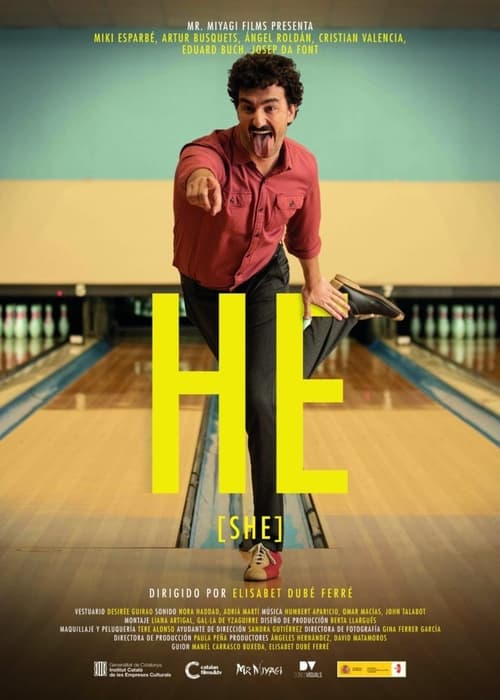
He 2021
In *He (2021)*, directed by Elisabet Dubé Ferré, Roger faces a life-altering moment when a medical diagnosis threatens his promising engineering career. As he grapples with the news, the real challenge emerges—not his health, but navigating workplace reactions.
Director: Elisabet Dubé Ferré
Cast



Frequently Asked Questions
What is He (2021) about?
*He (2021)* follows Roger, a rising engineer whose world is upended by a doctor's news. Instead of illness, Roger faces a different kind of challenge: convincing his boss he's still capable. The film blends workplace tension with sharp humor, revealing how perceptions shape our opportunities.
Who directed He?
Elisabet Dubé Ferré directed *He (2021)*, bringing a keen eye for both comedy and emotional nuance to the short film.
Who stars in He?
The film stars Miki Esparbé, Artur Busquets, Ángel Roldán, Cristian Valencia, and Eduard Buch.
Is He (2021) worth watching?
As a tight 14-minute comedy, *He (2021)* punches above its weight with clever writing and strong performances. While unrated on IMDb, its genre appeal and thematic depth make it a standout for fans of workplace satire and character-driven stories.
How long is He?
*He (2021)* runs for 14 minutes.
About He (2021) — A 14-Minute Comedy with Heart and Humor
In *He (2021)*, directed by Elisabet Dubé Ferré, Roger faces a life-altering moment when a medical diagnosis threatens his promising engineering career. As he grapples with the news, the real challenge emerges—not his health, but navigating workplace reactions. This sharp, 14-minute comedy explores themes of identity, miscommunication, and resilience, all wrapped in a deceptively lighthearted tone. Ferré's direction crafts an atmosphere of quiet tension beneath humor, mirroring Roger's struggle to redefine his future without losing his footing.
With a cast led by Miki Esparbé and Artur Busquets, *He (2021)* delivers a poignant yet playful take on modern anxieties, blending workplace satire with personal revelation. The film's brevity belies its depth, offering a timely reflection on how society labels vulnerability—and why those labels don't always tell the whole story.