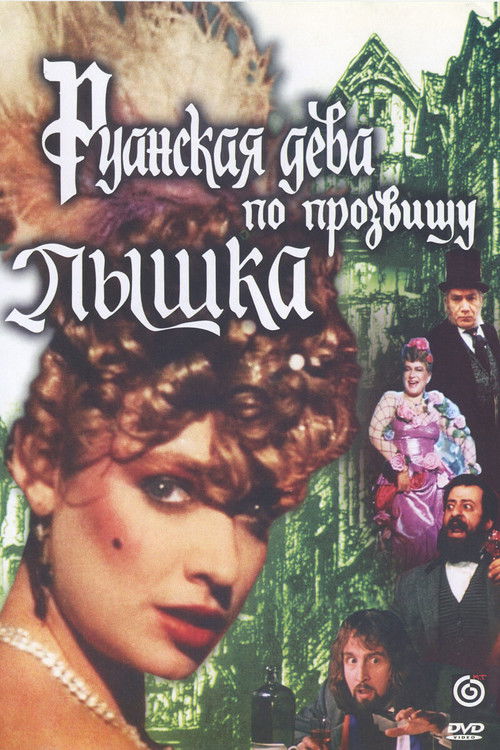
The Maid of Rouen Named Boule de Suif 1989
Yevgeni Ginzburg's 1989 television musical *The Maid of Rouen Named Boule de Suif* reimagines Guy de Maupassant's classic short stories with a lyrical touch, blending romance and drama against the backdrop of 19th-century France.
Director: Yevgeni Ginzburg
Cast






Frequently Asked Questions
What is The Maid of Rouen Named Boule de Suif (1989) about?
This 1989 television musical weaves together three short stories by Guy de Maupassant, following the lives of ordinary people navigating love, betrayal, and the search for identity in 19th-century France. The film's emotional core revolves around the choices that define us and the consequences of living in a world where morality is often tested.
Who directed The Maid of Rouen Named Boule de Suif?
Yevgeni Ginzburg directed this atmospheric adaptation, blending Maupassant's prose with a musical sensibility that highlights the stories' timeless themes.
Who stars in The Maid of Rouen Named Boule de Suif?
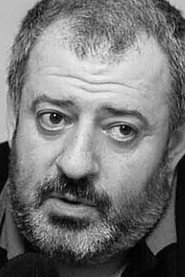
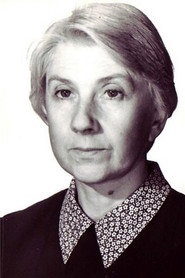
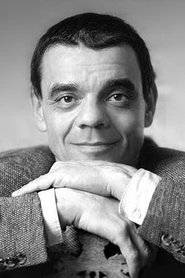
The ensemble cast features Natalya Lapina in the lead role, alongside Aleksandr Abdulov, Armen Dzhigarkhanyan, Natalya Krachkovskaya, and Leonid Yarmolnik.
Is The Maid of Rouen Named Boule de Suif (1989) worth watching?
While it may not have an IMDb rating to gauge its popularity, this understated gem is a must-see for fans of Maupassant's work or those who appreciate period dramas with emotional depth. Its themes of love and moral ambiguity give it enduring relevance, even decades after its release.
How long is The Maid of Rouen Named Boule de Suif?
The Maid of Rouen Named Boule de Suif runs for 100 minutes.
About The Maid of Rouen Named Boule de Suif (1989) — Guy de Maupassant's stories brought to life in a lyrical TV musical
Yevgeni Ginzburg's 1989 television musical *The Maid of Rouen Named Boule de Suif* reimagines Guy de Maupassant's classic short stories with a lyrical touch, blending romance and drama against the backdrop of 19th-century France. Starring Natalya Lapina in the titular role and led by a talented ensemble including Aleksandr Abdulov and Armen Dzhigarkhanyan, this adaptation breathes fresh life into timeless tales of love, betrayal, and the human search for meaning. The film's haunting atmosphere lingers as it explores themes of loneliness, pride, and the delicate balance between morality and moral compromise, all set to a score that underscores the emotional depth of Maupassant's original prose.
Ginzburg's direction infuses the narrative with both intimacy and grandeur, capturing the complexities of human relationships in a world where societal pressures and personal desires collide. The Maid of Rouen Named Boule de Suif (1989) stands as a poignant reminder of how Maupassant's stories—simple in structure yet profound in their insights—continue to resonate across centuries.