Le Temps des assassins 1962
Dive into the haunting world of post-war Europe with *Le Temps des assassins* (1962), Adonis Kyrou's raw and reflective documentary-drama that dissects the lingering scars of conflict.
Director: Adonis Kyrou
Cast
Frequently Asked Questions
What is Le Temps des assassins (1962) about?
*Le Temps des assassins* examines the psychological and societal fallout of war through a mix of documentary footage and staged sequences. The film delves into themes of guilt, resilience, and the struggle to reclaim humanity after devastation.
Who directed Le Temps des assassins?
Adonis Kyrou directed *Le Temps des assassins*. Known for his avant-garde approach, Kyrou's work often blends political themes with experimental storytelling.
Who stars in Le Temps des assassins?
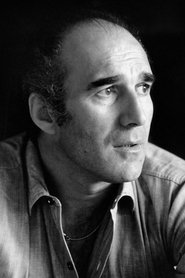
The film features Michel Piccoli in a key role, delivering a performance that anchors its emotionally charged narrative.
Is Le Temps des assassins (1962) worth watching?
While unrated, *Le Temps des assassins* offers a compelling, though somber, viewing experience for fans of historical dramas and thought-provoking cinema. Its unique blend of genres and themes make it a hidden gem worth seeking out.
How long is Le Temps des assassins?
Runtime details are not listed.
About Le Temps des assassins (1962) — The Dark Echoes of Post-War Europe
Dive into the haunting world of post-war Europe with *Le Temps des assassins* (1962), Adonis Kyrou's raw and reflective documentary-drama that dissects the lingering scars of conflict. Through a blend of historical archival footage and dramatized sequences, Kyrou crafts a visual essay on the moral and physical devastation wrought by war. The film's atmosphere is heavy with the weight of collective trauma, as it questions how societies rebuild when trust has been shattered. Michel Piccoli delivers a quietly powerful performance in this exploration of guilt, survival, and the fragile threads of humanity that persist even in the darkest times.
*Le Temps des assassins* doesn't just recount history—it immerses viewers in the psychological toll of violence, blending genre elements with a stark, almost poetic realism. The film's slow-burn pacing and deliberate visuals invite contemplation, making it a standout work from a director known for pushing cinematic boundaries. Whether you're drawn to its historical insights or its artistic ambition, this 1962 masterpiece lingers long after the credits roll.