Noturno de um piano 2005
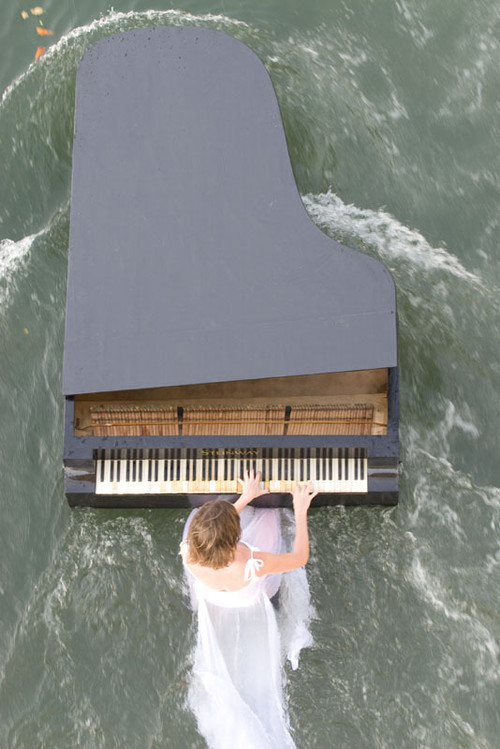
Jocy de Oliveira's *Noturno de um piano* (2005) is a haunting 10-minute experimental music-video that transforms a grand piano into a powerful symbol of cultural erosion.
Director: Jocy de Oliveira
Cast

Frequently Asked Questions
What is Noturno de um piano (2005) about?
This experimental short film follows a grand piano as it floats on open water before slowly sinking, using the instrument as a metaphor for the decline of classical music in contemporary culture. The piece questions the relevance of high art in a world dominated by mass media and fleeting trends.
Who directed Noturno de um piano?
The film was directed by Jocy de Oliveira, a Brazilian avant-garde composer and pianist known for her boundary-pushing works that blend music with visual storytelling.
Who stars in Noturno de um piano?
The short film features Gabriela Geluda as the key performer, with her presence anchoring the symbolic journey of the piano.
Is Noturno de um piano (2005) worth watching?
This 10-minute experimental piece is a must-see for fans of avant-garde cinema and classical music enthusiasts seeking thought-provoking visual metaphors. While its niche appeal may limit mainstream interest, its striking imagery and bold symbolism make it a memorable experience.
How long is Noturno de um piano?
The runtime of the film is 10 minutes.
About Noturno de um piano (2005) — A 10-Minute Symbolic Sinking of Classical Music
Jocy de Oliveira's *Noturno de um piano* (2005) is a haunting 10-minute experimental music-video that transforms a grand piano into a powerful symbol of cultural erosion. Drifting silently on the ocean's surface before ultimately sinking, the instrument becomes a metaphor for classical music's struggle against the tide of mass culture. Directed with striking visual poetry by Oliveira herself, the short film challenges viewers to reflect on the artist's evolving role in modern society, where tradition often feels submerged beneath the surface of relentless innovation.
Shot as a meditative visual essay, the piece uses the piano's deliberate submersion to evoke themes of loss, resilience, and the fleeting nature of artistic legacy. Gabriela Geluda's presence as the featured performer adds a layer of emotional weight, grounding the abstract concept in tangible human expression. The stark contrast between the piano's grandeur and its ultimate fate creates an unforgettable cinematic moment—a silent elegy for a fading cultural icon.