Otôsan no uta dokei 1937
Otôsan no uta dokei (1937), directed by Ren Yoshimura, is a poignant early Japanese film that captures the emotional weight of family bonds and generational change.
Director: Ren Yoshimura
Cast
Frequently Asked Questions
What is Otôsan no uta dokei (1937) about?
The film follows a dedicated father navigating the challenges of raising his children amidst Japan's pre-war society. His journey is marked by quiet sacrifices and the search for connection in a rapidly changing world. The story unfolds with emotional depth, exploring themes of duty and familial love.
Who directed Otôsan no uta dokei?
Ren Yoshimura directed this 1937 drama, which showcases his knack for blending intimate family stories with broader social commentary.
Who stars in Otôsan no uta dokei?
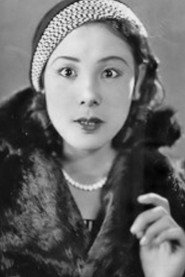
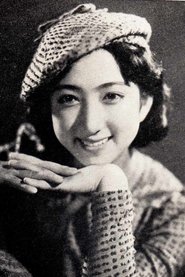
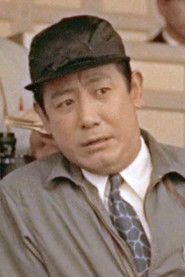
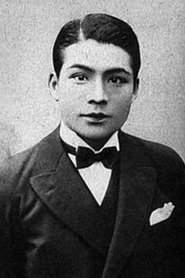
The film features Reizaburo Yamamoto, Reiko Hoshi, Kimiko Tachibana, Ichirō Izawa, and Hikaru Hoshi in key roles.
Is Otôsan no uta dokei (1937) worth watching?
For fans of classical Japanese cinema or historical dramas, Otôsan no uta dokei offers a deeply moving experience. While it lacks a modern IMDb rating, its themes and performances make it a compelling watch for those drawn to period pieces with emotional resonance.
How long is Otôsan no uta dokei?
Runtime details are not listed.
About Otôsan no uta dokei (1937) — A Heartfelt Pre-War Drama About Family Bonds
Otôsan no uta dokei (1937), directed by Ren Yoshimura, is a poignant early Japanese film that captures the emotional weight of family bonds and generational change. Set against the backdrop of pre-war Japan, the story revolves around a father's struggle to connect with his children amid shifting social norms. Reizaburo Yamamoto stars as the patriarch, whose quiet resilience contrasts with the youthful energy of Reiko Hoshi and Kimiko Tachibana as his daughters. The film unfolds with a gentle melancholy, blending intimate family moments with broader societal tensions of the era. Its black-and-white cinematography enhances the timeless themes of duty, sacrifice, and the unspoken love between father and child.
While rooted in its historical context, Otôsan no uta dokei transcends its time, offering a universal meditation on the bonds that define us. The performances are understated yet deeply affecting, with Ichirō Izawa and Hikaru Hoshi adding layers of complexity to the family dynamic. The film's slow-burning narrative invites reflection, making it a standout in the realm of classical Japanese cinema. Whether you're a fan of historical dramas or simply drawn to stories about the heart's quiet struggles, this 1937 gem delivers an experience that lingers long after the credits roll.