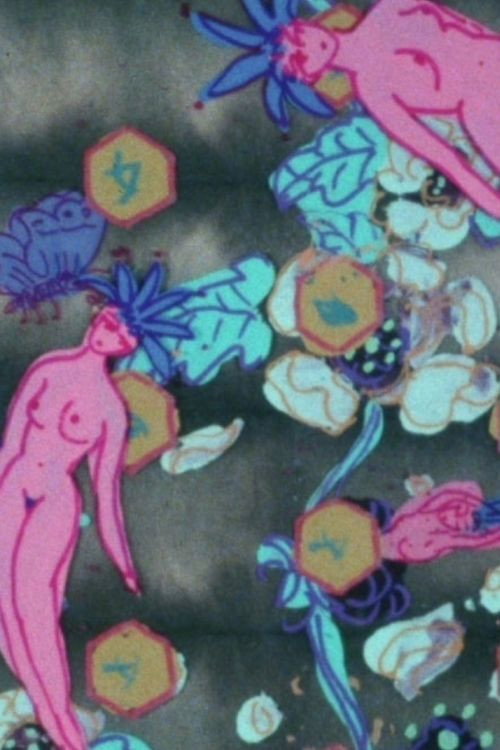
Ryusui-kaen 1985
Step into the delicate world of *Ryusui-kaen (1985)*, a mesmerizing four-minute animated short that breathes life into traditional Japanese art.
Director: Yuko Asano
Frequently Asked Questions
What is Ryusui-kaen (1985) about?
*Ryusui-kaen* is a short animated film where kanji characters from the *Iroha Uta* poem come to life, transforming into creatures through marker drawings on washi paper and cel. The result is a poetic celebration of movement, language, and traditional Japanese artistry.
Who directed Ryusui-kaen?
The film was directed by Yuko Asano, a filmmaker known for blending traditional techniques with experimental animation.
Who stars in Ryusui-kaen?
The cast details for *Ryusui-kaen* are not listed, as the film focuses on animated characters rather than live performers.
Is Ryusui-kaen (1985) worth watching?
Though brief, *Ryusui-kaen* offers a unique and meditative viewing experience for fans of experimental animation. Its artistic approach and cultural depth make it a standout in short-form filmmaking, even without a traditional plot.
How long is Ryusui-kaen?
The runtime for *Ryusui-kaen* is 4 minutes.
About Ryusui-kaen (1985) — A 4-Minute Animated Masterpiece on Washi Paper
Step into the delicate world of *Ryusui-kaen (1985)*, a mesmerizing four-minute animated short that breathes life into traditional Japanese art. Directed by Yuko Asano, this experimental piece unfolds entirely on washi paper and cel sheets, where hand-drawn markers transform into an enchanting dance of kanji characters. Inspired by the classic *Iroha Uta* poem, these symbols morph seamlessly into creatures, evoking a sense of wonder and cultural nostalgia. The animation's minimalist aesthetic and poetic storytelling create an atmosphere that feels both timeless and deeply personal, making it a hidden gem for fans of avant-garde animation.
*Ryusui-kaen* is more than just a visual experiment—it's a celebration of Japanese artistic traditions reimagined through modern animation techniques. The interplay of ink, paper, and movement captures a fleeting moment where language and nature intertwine, leaving viewers with a lingering sense of harmony and intrigue. Though brief, the film lingers in the mind like a haiku, inviting repeated viewings to uncover its subtle layers of meaning.