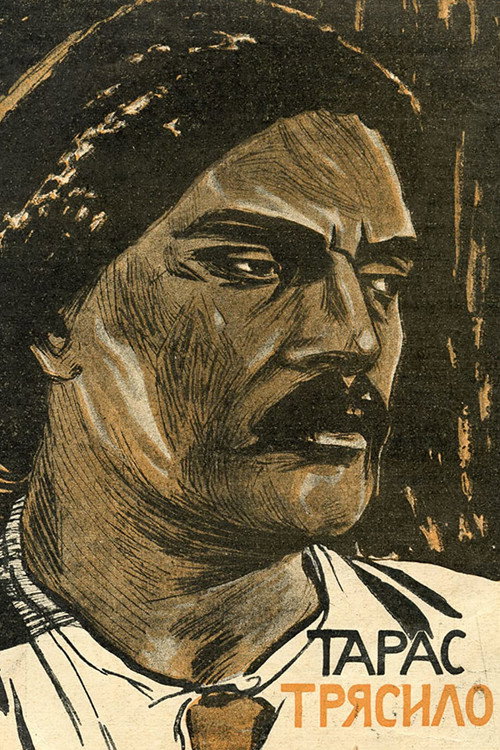
Taras Tryasylo 1927
Step back to the 17th-century Ukrainian steppe, where the gulf between serfs and nobles has hardened into open class rage.
Director: Pyotr Chardynin
Cast
Frequently Asked Questions
What is Taras Tryasylo (1927) about?
Set in 17th-century Ukraine, the film follows starving peasants and disillusioned Cossacks as they rise against noble oppressors who feast while they starve. Led by the fiery Taras Tryasylo, the rebellion mixes real historical clashes with intimate betrayals and spectacular cavalry battles.
Who directed Taras Tryasylo?
Pyotr Chardynin, a pioneer of early Ukrainian cinema, helmed this stirring silent epic.
Who stars in Taras Tryasylo?
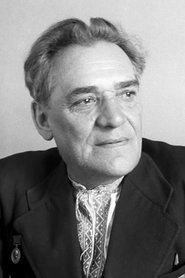
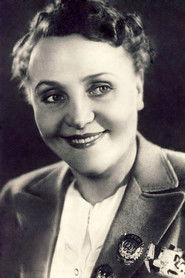
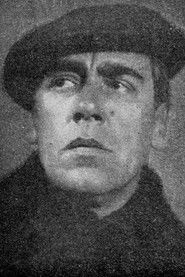
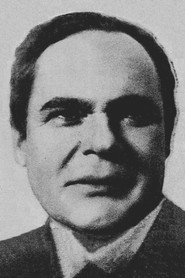
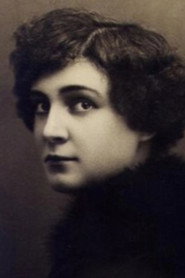
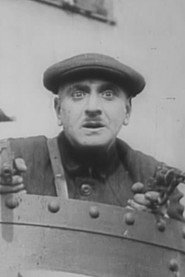
The film features Amvrosii Buchma, Nataliia Uzhvii, Ivan Kapralov, Mykola Kuchynskyi, and Matviy Lyarov in its core ensemble.
Is Taras Tryasylo (1927) worth watching?
While unrated on IMDb, Taras Tryasylo endures as a gripping silent-era historical drama. Its sweeping action sequences, vivid social themes, and Chardynin's bold direction still impress today's viewers who appreciate early cinema's power and passion.
How long is Taras Tryasylo?
Taras Tryasylo runs for 62 minutes.
About Taras Tryasylo (1927) — A silent Cossack epic of rebellion, cavalry charges, and class fury
Step back to the 17th-century Ukrainian steppe, where the gulf between serfs and nobles has hardened into open class rage. Pyotr Chardynin's silent epic Taras Tryasylo (1927) pits impoverished peasants and disillusioned Cossacks against the velvet-clad elite—Polish and Ukrainian—whose feasts and fortresses mock the hungry masses. When Tatar raids add external bloodshed, the Cossacks wake up to a harsher truth: their own officers are the real oppressors. Between thundering cavalry charges and intimate village betrayals, the film crafts a rousing tale of rebellion led by the firebrand Taras Tryasylo, blending history with raw action and sweeping visual drama.
Chardynin orchestrates grand tableaux of revolt—duels, torch-lit uprisings, and thunderous melees—that pulse with the urgency of a people refusing to starve in silence. The atmosphere crackles with tension and defiance, turning Taras Tryasylo (1927) into more than a costume piece; it's a clarion call where every hoofbeat feels like a step toward justice.