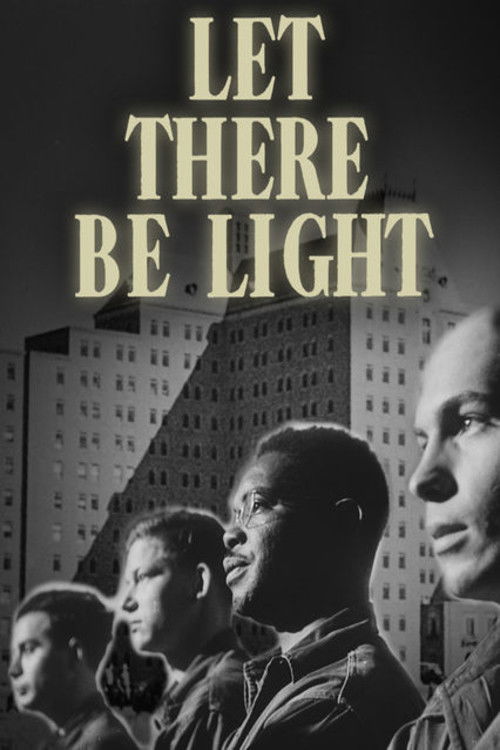
Let There Be Light 1946
Directed by the legendary John Huston, *Let There Be Light (1946)* is a profound documentary that delves into the invisible wounds of war through the lens of mental health recovery.
Director: John Huston
Cast
Frequently Asked Questions
What is *Let There Be Light* (1946) about?
*Let There Be Light* follows soldiers returning from WWII who battle psychological wounds rather than physical ones. The documentary observes their treatment at a psychiatric hospital, highlighting the challenges of healing from what was then called shell-shock or psychoneurosis. It's a raw, unfiltered look at resilience amid post-war trauma.
Who directed *Let There Be Light*?
The film was directed by John Huston, the acclaimed filmmaker behind classics like *The Maltese Falcon* and *The Treasure of the Sierra Madre*.
Who stars in *Let There Be Light*?
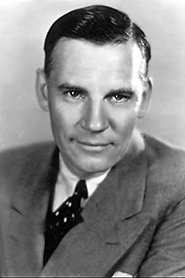
The documentary features real-life patients and medical staff, with Walter Huston—John Huston's father—among the notable figures in the cast.
Is *Let There Be Light* (1946) worth watching?
While *Let There Be Light* is a niche documentary, its historical and emotional significance makes it compelling for fans of wartime films and psychological dramas. Its unflinching portrayal of PTSD offers a rare glimpse into post-war struggles, earning its place in Huston's filmography.
How long is *Let There Be Light*?
The film runs for 58 minutes.
🎥 Trailer
About Let There Be Light (1946) — A Powerful WWII Documentary on PTSD and Healing
Directed by the legendary John Huston, *Let There Be Light (1946)* is a profound documentary that delves into the invisible wounds of war through the lens of mental health recovery. This final installment in Huston's wartime trilogy shifts focus from battlefield heroics to the quiet battles fought by soldiers grappling with psychological trauma—what we now recognize as PTSD. Shot in stark black-and-white, the film captures raw, intimate moments as veterans undergo treatment at a psychiatric hospital, their struggles framed with empathy and clinical precision.
At its core, *Let There Be Light* examines resilience and healing, portraying both patients and staff with dignity and nuance. The atmosphere is one of solemn reflection, blending medical documentation with human stories that resonate far beyond their 58-minute runtime. Though initially suppressed by government officials for its unflinching portrayal of post-war struggles, the film's delayed release in 1981 cemented its place as a groundbreaking work in documentary filmmaking.