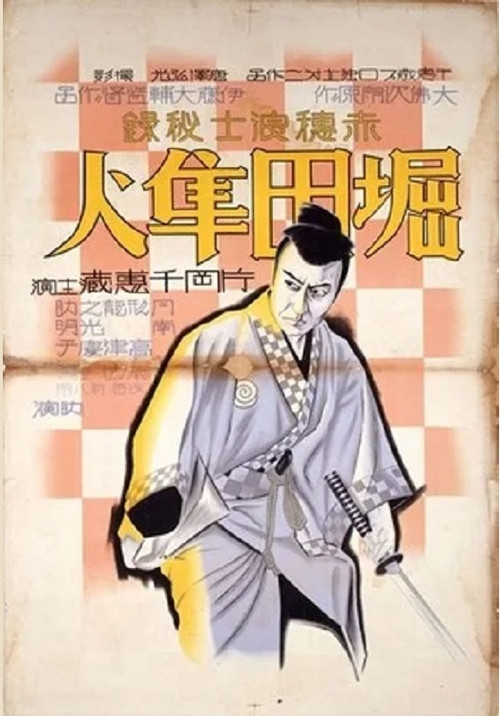
Hotta Hayato 1933
Lost in the sands of time, Hotta Hayato (1933) is a relic of Japan's rich cinematic past, its fragments whispering tales of a bygone era. Directed by the visionary Daisuke Itō, this jidaigeki film is a poignant reminder of the transience of art and history.
Director: Daisuke Itō
Cast


Frequently Asked Questions
What is Hotta Hayato (1933) about?
Hotta Hayato is a jidaigeki film that's been reduced to a fragment, leaving us to imagine the story that once unfolded.
Who directed Hotta Hayato?
Hotta Hayato was directed by the renowned Daisuke Itō, a master of Japanese cinema.
Who stars in Hotta Hayato?
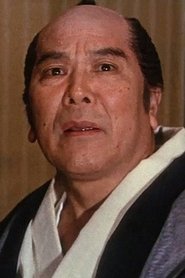
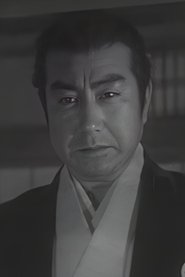
The film features a talented cast, including Shinpachirō Asaka, Ryōsuke Kagawa, and Chiezo Kataoka.
Is Hotta Hayato (1933) worth watching?
While the film's incomplete nature may be a drawback, its historical significance and atmospheric setting make it a worthwhile watch for fans of Japanese cinema.
How long is Hotta Hayato?
Hotta Hayato has a runtime of 120 minutes.
About Hotta Hayato (1933) — A Lost Jidaigeki Masterpiece
Lost in the sands of time, Hotta Hayato (1933) is a relic of Japan's rich cinematic past, its fragments whispering tales of a bygone era. Directed by the visionary Daisuke Itō, this jidaigeki film is a poignant reminder of the transience of art and history. While only a fragment remains of the original film, it's a testament to the enduring power of storytelling and the importance of preserving our cultural heritage.
As we gaze upon the remnants of this ancient film, we're drawn into a world of mystery and intrigue, where the lines between reality and myth blur. With its rich historical context and atmospheric setting, Hotta Hayato is a film that rewards the imagination and invites the viewer to fill in the gaps of a narrative that's been forever lost to time. For film enthusiasts and history buffs alike, this enigmatic film is a must-see, offering a glimpse into a forgotten era of Japanese cinema.
So, join us on a journey through the ages as we delve into the world of Hotta Hayato, a film that's as much about what's been lost as it is about what remains.