Panorama de Santiago 1981
Panorama de Santiago (1981) is a groundbreaking 7-minute video-performance by Chilean artist Carlos Altamirano, marking the first video art piece created in Chile.
Director: Carlos Altamirano
Frequently Asked Questions
What is Panorama de Santiago (1981) about?
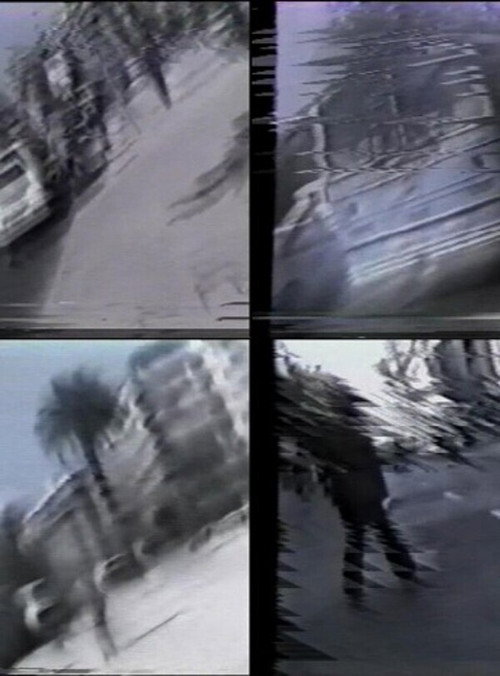
Carlos Altamirano's experimental film documents a frenzied run through Santiago's streets, using a handheld camera to blur the line between viewer and participant. The journey from the Bellas Artes museum to the Biblioteca Nacional reflects the chaotic, oppressive atmosphere of early 1980s Chile under Pinochet's regime.
Who directed Panorama de Santiago?
Carlos Altamirano directed Panorama de Santiago, creating one of Chile's earliest video art works.
Who stars in Panorama de Santiago?
Director information is not available.
Is Panorama de Santiago (1981) worth watching?
While Panorama de Santiago is a niche experimental piece, its historical significance and bold visual style make it compelling for fans of video art or political cinema. Its 7-minute runtime is intense and immersive, though not for casual viewers.
How long is Panorama de Santiago?
Panorama de Santiago runs for 7 minutes.
About Panorama de Santiago (1981): A Pioneering Video Art Piece from Chile
Panorama de Santiago (1981) is a groundbreaking 7-minute video-performance by Chilean artist Carlos Altamirano, marking the first video art piece created in Chile. Shot entirely from a moving camera, the film follows a frantic run from the Museo Nacional de Bellas Artes to the Biblioteca Nacional, transforming the urban landscape into a shaky, immersive experience. The distorted visuals aren't just a stylistic choice—they mirror the unease and frenetic energy of Chile's early 1980s under dictatorship, where every step feels uncertain and charged with tension.
This experimental documentary blends performance art with raw political commentary, capturing a nation in flux through a single, relentless take. Altamirano's work strips away traditional narrative, instead immersing viewers in a sensory journey that evokes both urgency and disorientation, leaving a haunting impression of a country racing against itself.