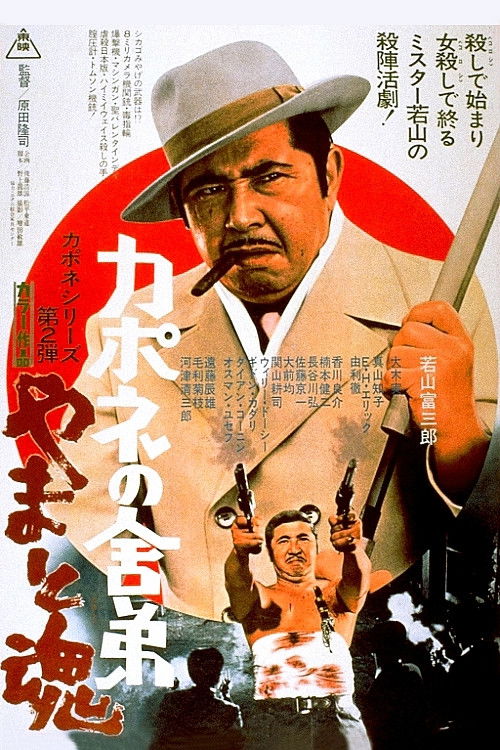
Capone's Younger Brother: Heart and Speculation 1971
Dive into the gritty world of 1971's *Capone's Younger Brother: Heart and Speculation*, directed by the sharp-eyed Takashi Harada, where crime thrillers meet a dash of social commentary.
Director: Takashi Harada
Cast

Frequently Asked Questions
What is Capone's Younger Brother: Heart and Speculation (1971) about?
This sequel follows the ruthless Younger Brother of Al Capone as he navigates a web of betrayals and power struggles in the criminal underworld. The film blends violent confrontations with an oddly placed environmental message, creating a unique, uneven tone.
Who directed Capone's Younger Brother: Heart and Speculation?
Takashi Harada directed this 1971 crime thriller, known for his sharp visual storytelling and ability to balance action with social themes.
Who stars in Capone's Younger Brother: Heart and Speculation?
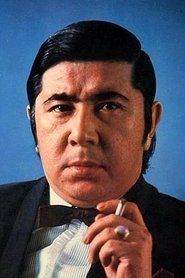
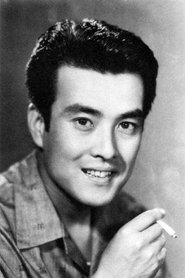
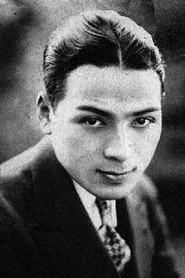
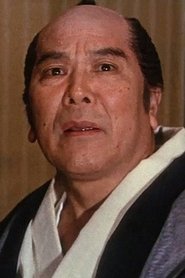
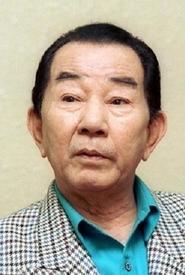
The film stars Tomisaburō Wakayama as the Younger Brother, supported by Minoru Ōki, Seizaburō Kawazu, Willie Dorsey, and Osman Yusuf among others.
Is Capone's Younger Brother: Heart and Speculation (1971) worth watching?
While not as polished as its predecessor, this sequel offers Wakayama's magnetic performance and a flawed but intriguing blend of crime and social commentary. Fans of 70s Japanese gangster films may find it a curious, if uneven, diversion.
How long is Capone's Younger Brother: Heart and Speculation?
The runtime is 90 minutes.
About Capone's Younger Brother: Heart and Speculation (1971) — Wakayama's Ruthless Crime Saga Explored
Dive into the gritty world of 1971's *Capone's Younger Brother: Heart and Speculation*, directed by the sharp-eyed Takashi Harada, where crime thrillers meet a dash of social commentary. This sequel trades the explosive chemistry of its predecessor's Chicago brothers for a grittier, more introspective tale, as Tomisaburō Wakayama delivers a compellingly ruthless performance as the Younger Brother. The film's mood is darker, weighed down by an unexpected environmental subplot that clashes with its gangster roots, yet it still crackles with energy thanks to standout roles like Willie Dorsey's menacing turn as Capone's right-hand man. Expect a mix of violent escapades and moral ambiguity, all wrapped in the era's signature style.
The atmosphere is thick with tension, blending classic yakuza tropes with a foreign cast that adds an exotic edge, including Osman Yusuf's scene-stealing presence. While it may lack the frenetic fun of the original, this installment carves its own space—flawed but fascinating, with Wakayama's presence elevating every frame. A curious footnote in crime cinema, it's a film that lingers long after the credits roll.