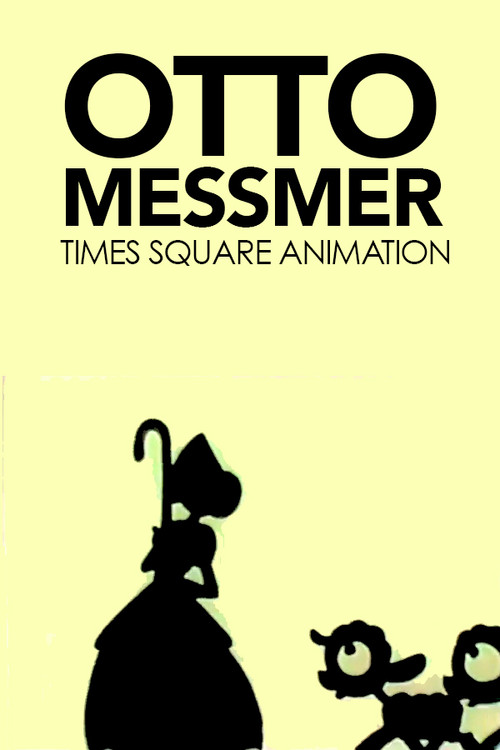
Times Square Animation 1940
Step back into 1940s New York with *Times Square Animation (1940)*, a short and dazzling experiment from animation pioneer Otto Messmer.
Director: Otto Messmer
Frequently Asked Questions
What is Times Square Animation (1940) about?
This 18-minute short by Otto Messmer features animated neon lights projected in Times Square, transforming the urban landscape into a moving canvas. Rather than a traditional story, it's a visual symphony of light and color designed to dazzle passersby in the bustling New York square.
Who directed Times Square Animation?
The short was directed by Otto Messmer, a legendary animator best known as the creator of Felix the Cat.
Who stars in Times Square Animation?
Cast details are not listed for this experimental short.
Is Times Square Animation (1940) worth watching?
As a historical piece, *Times Square Animation* offers a unique peek into early animation techniques and the vibrant culture of 1940s New York. While not a narrative-driven film, its artistic and technical value makes it intriguing for animation fans and historians—though those expecting a story may find it minimal.
How long is Times Square Animation?
The runtime is 18 minutes.
About Times Square Animation (1940) — A Short Animated Gem from Otto Messmer
Step back into 1940s New York with *Times Square Animation (1940)*, a short and dazzling experiment from animation pioneer Otto Messmer. Known for his iconic Felix the Cat creations, Messmer crafted this 18-minute visual delight as a shimmering display of animated neon lights in the heart of Times Square. The film blends early animation technique with the electric energy of a city that never sleeps, offering a unique glimpse into how motion and light could captivate audiences long before digital screens. Its mesmerizing glow and playful style evoke nostalgia while marking an important moment in the evolution of animated storytelling.
Though sparse in narrative detail, *Times Square Animation* stands as a testament to Messmer's creative vision and the technological curiosity of its era. As part of the golden age of animation, it bridges the gap between classic hand-drawn artistry and the spectacle of urban entertainment. Today, it remains a fascinating artifact for animation historians and vintage film enthusiasts alike, offering a rare time capsule of early motion graphics and cinematic innovation.