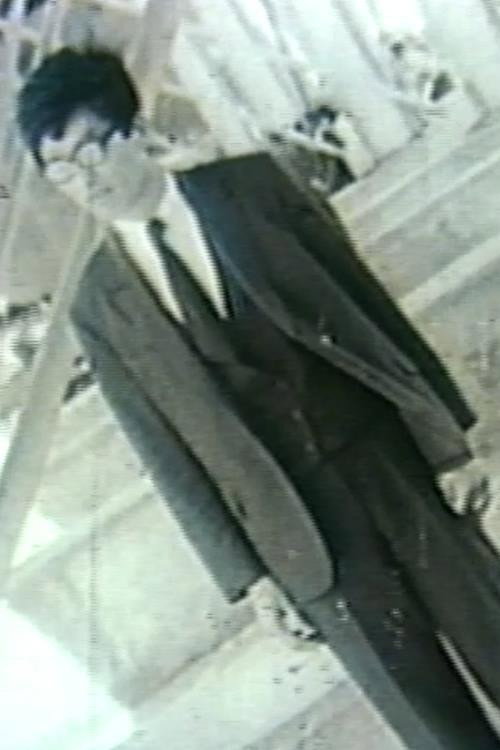
The Meaning of 1/24 Second 1969
Pioneering Korean experimental cinema, *The Meaning of 1/24 Second (1969)* marks a bold departure from conventional filmmaking with its fragmented, high-velocity visual language.
Director: Kim Kulim
Frequently Asked Questions
What is *The Meaning of 1/24 Second (1969)* about?
This avant-garde short explores the disorienting speed of modern life through fragmented, high-contrast imagery. Kim Kulim's film dissects the alienation caused by relentless progress, using rapid edits and stark visuals to mirror the fractured rhythm of contemporary society.
Who directed *The Meaning of 1/24 Second*?
The film was directed by Kim Kulim, a pioneering figure in Korean experimental cinema whose work challenges traditional storytelling through innovative visual techniques.
Who stars in *The Meaning of 1/24 Second*?
Since it's a documentary-style experimental short, cast details are not listed.
Is *The Meaning of 1/24 Second (1969)* worth watching?
As Korea's first experimental film, its historical significance alone makes it compelling for cinephiles. The restored version offers a rare glimpse into avant-garde art, though viewers should be prepared for its abstract, jarring style rather than conventional entertainment.
How long is *The Meaning of 1/24 Second*?
The film runs for 11 minutes, delivering its thematic impact in a concise yet intense burst.
About The Meaning of 1/24 Second (1969) — Kim Kulim's groundbreaking experimental short restored after decades
Pioneering Korean experimental cinema, *The Meaning of 1/24 Second (1969)* marks a bold departure from conventional filmmaking with its fragmented, high-velocity visual language. Directed by Kim Kulim, this lost-and-restored 16mm short blends color and monochrome imagery into a hypnotic collage of fleeting moments, reflecting the disorienting pace of modern life. At just 11 minutes, the film distills its themes through jarring edits and relentless motion, encapsulating the anxiety of a society racing against time. Its recovery from obscurity in 2001 cemented its status as a landmark of avant-garde art, offering a visceral critique of industrialization's dehumanizing effects.
Kim Kulim's visionary approach turns cinematic conventions upside down, using the technical foundation of 24 frames per second to expose the cracks in our perception of reality. The restored footage—once thought vanished—now serves as a haunting time capsule, inviting viewers to confront the alienation buried beneath the relentless march of progress. A mesmerizing paradox of brevity and intensity, it's a must-see for fans of experimental film who crave more than just narrative comfort.