Same Difference 1975
Same Difference (1975) is an avant-garde short film by Al Wong, a quietly radical exploration of time, presence, and perception.
Director: Al Wong
Frequently Asked Questions
What is Same Difference (1975) about?
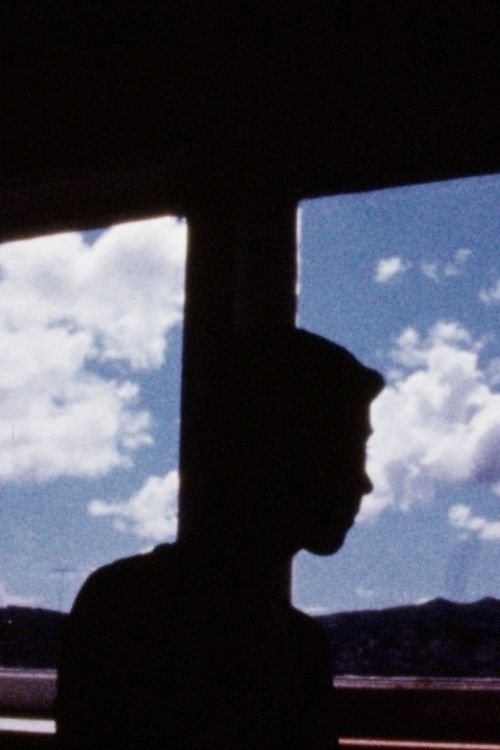
Same Difference (1975) follows artist Ursula Schneider as she sits still beneath a window in San Francisco, her presence serving as the anchor for a year-long study of light, time, and the changing landscape beyond. The film captures the interplay between human presence and the natural world, using minimal means to evoke deep reflection.
Who directed Same Difference?
Same Difference was directed by Al Wong, a filmmaker known for experimental and conceptual approaches to cinema.
Who stars in Same Difference?
The main presence in Same Difference is artist Ursula Schneider, whose quiet stillness forms the heart of the film.
Is Same Difference (1975) worth watching?
While not a mainstream title, Same Difference (1975) offers a unique experience for fans of experimental and minimalist cinema. Its meditative pace and artistic focus make it more of a niche viewing experience than a crowd-pleaser, but it rewards patient viewers with its quiet depth.
How long is Same Difference?
Same Difference has a runtime of 17 minutes.
Same Difference (1975): A Year-Long Cinematic Meditation — Full Film Info
Same Difference (1975) is an avant-garde short film by Al Wong, a quietly radical exploration of time, presence, and perception. Shot over a year using a 16mm camera mounted on a tripod in the artist's kitchen, the film frames artist Ursula Schneider seated beneath a double window overlooking the San Francisco hills. Day and night blur as clouds drift, light shifts, and the city's changing moods play out behind her. With Schneider's still form anchoring the frame, Wong experiments with in-camera effects and editing, turning everyday sights into a meditative meditation on duration and existence.
Minimalist yet deeply atmospheric, Same Difference (1975) transforms a simple domestic setting into a canvas for contemplation. The absence of dialogue or overt narrative invites viewers to engage with the subtleties of time, change, and the quiet elegance of ordinary moments captured in motion.