Worker's Quarters 1912
Worker's Quarters (1912) is a poignant drama that delves into the lives of working-class individuals. Based on the play by E. Karpov, this silent film showcases the struggles and hardships faced by those living in meager conditions.
Director: Pyotr Chardynin
Cast

Frequently Asked Questions
What is Worker's Quarters (1912) about?
This silent drama delves into the lives of working-class individuals, showcasing their struggles and hardships.
Who directed Worker's Quarters?
Directed by Pyotr Chardynin, a prominent figure in early Russian cinema.
Who stars in Worker's Quarters?
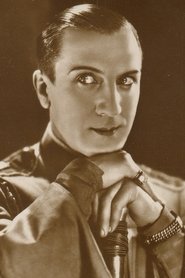
The movie features a talented cast, including Aleksandra Goncharova, Pavel Biryukov, Ivan Mosjoukine, and Snegirev.
Is Worker's Quarters (1912) worth watching?
While its loss is unfortunate, Worker's Quarters remains an important part of film history, and its influence can still be seen in many modern dramas.
How long is Worker's Quarters?
Runtime details are not listed.
About Worker's Quarters (1912) — A poignant drama that explores the lives of working-class individuals
Worker's Quarters (1912) is a poignant drama that delves into the lives of working-class individuals. Based on the play by E. Karpov, this silent film showcases the struggles and hardships faced by those living in meager conditions. Directed by Pyotr Chardynin, the movie features a talented cast, including Aleksandra Goncharova, Pavel Biryukov, Ivan Mosjoukine, and Snegirev. Although it has not survived, Worker's Quarters remains a significant piece of cinematic history, offering a glimpse into the early days of Russian cinema.
While the runtime of Worker's Quarters is unknown, its themes of poverty and hardship continue to resonate with audiences today. The movie's focus on the daily struggles of the working class adds to its emotional impact, making it a powerful commentary on the social issues of the time. Unfortunately, due to its loss, we can only imagine the full extent of the film's potential.
Despite the lack of availability, Worker's Quarters remains an important part of film history, and its influence can still be seen in many modern dramas.