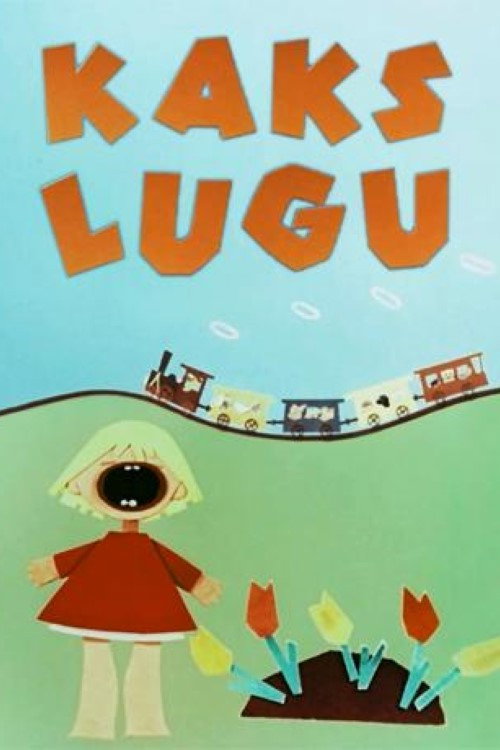
Two Stories 1962
Estonia's animation pioneer Elbert Tuganov delivers a charming 9-minute double-bill in Two Stories (1962), blending two timeless children's fables into delightful celluloid whimsy.
Director: Elbert Tuganov
Frequently Asked Questions
What is Two Stories (1962) about?
This Estonian animated short adapts two classic children's stories: one follows a drowsy duck operating a toy train, while the other depicts a girl whose endless whining alters her surroundings in surreal ways. Both tales use humor and fantasy to deliver subtle moral lessons.
Who directed Two Stories?
Elbert Tuganov, a trailblazing Estonian animator and director, helmed this early 1960s short. Tuganov was instrumental in shaping the region's animation tradition during the Soviet era.
Who stars in Two Stories?
Director information is not available.
Is Two Stories (1962) worth watching?
As a 9-minute animated curiosity, Two Stories offers a unique glimpse into mid-century Soviet animation with its gentle humor and moral undertones. While not a blockbuster, its historical charm and brevity make it a quirky find for animation enthusiasts and parents sharing classic fables with kids.
How long is Two Stories?
The runtime is 9 minutes.
About Two Stories (1962) — Elbert Tuganov's 9-Minute Animation Classic
Estonia's animation pioneer Elbert Tuganov delivers a charming 9-minute double-bill in Two Stories (1962), blending two timeless children's fables into delightful celluloid whimsy. The first tale follows a sleepy duck who struggles to keep a toy train on track, while the second centers on a girl whose endless complaints suddenly turn physical—literally making the world revolve around her moans. Tuganov's hand-drawn style bathes both segments in soft pastels and gentle motion, creating an atmosphere that feels both nostalgic and timeless for young viewers. Beneath the playful surfaces lie gentle lessons about responsibility and the power of words, all wrapped in the cozy rhythm of mid-century Soviet animation.
Though brief, Two Stories showcases early Eastern European animation at its most imaginative. The sparse runtime belies a surprising depth of character, from the duck's bleary-eyed panic to the girl's spiraling tantrums. It's a snapshot of a bygone era of filmmaking, where even the shortest reels could leave a lasting impression on generations of cinema lovers.