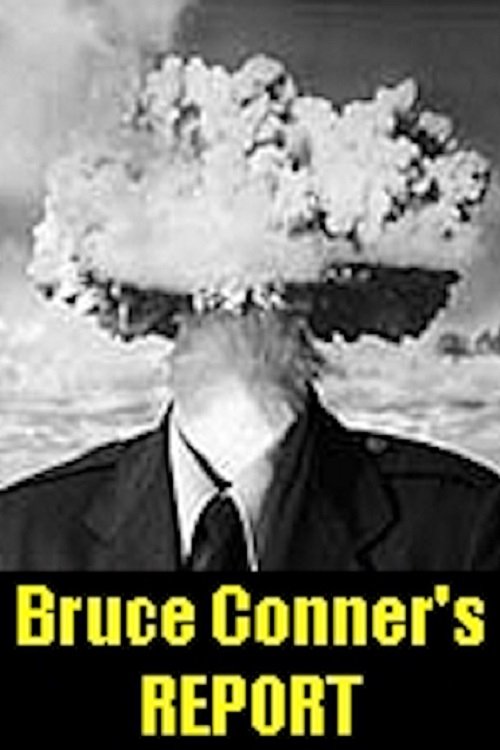
Report 1967
Bruce Conner's avant-garde short Report (1967) transforms the haunting, televised aftermath of a national tragedy into a hypnotic meditation on media control and the fragile nature of order.
Director: Bruce Conner
Cast
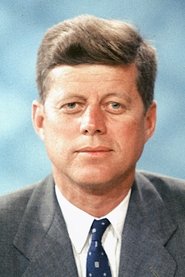
John F. Kennedy
Self (archive footage)
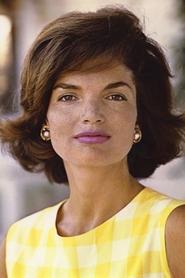
Jacqueline Kennedy
Self (archive footage)
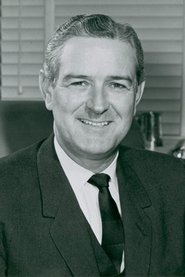
John Connally
Self (archive footage)
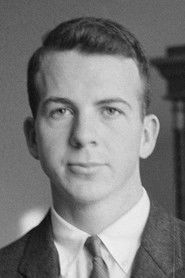
Lee Harvey Oswald
Self (archive footage)
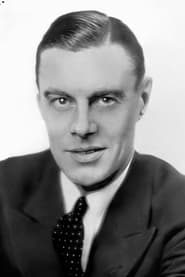
Colin Clive
Henry Frankenstein (archive footage - Bride of Frankenstein (1935))
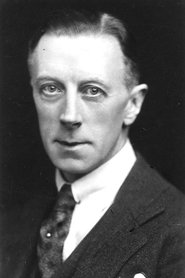
Ernest Thesiger
Doctor Pretorius (archive footage - Bride of Frankenstein (1935))
Frequently Asked Questions
What is Report (1967) about?
Bruce Conner's experimental short film dissects the television coverage of President John F. Kennedy's assassination, repurposing the endless replays into a commentary on media manipulation and public memory. The film doesn't recount the event—it deconstructs how its portrayal shaped American consciousness.
Who directed Report?
Bruce Conner, an American artist known for his pioneering work in experimental and underground cinema, directed Report.
Who stars in Report?
The film features archival footage of John F. Kennedy, Jacqueline Kennedy, John Connally, Lee Harvey Oswald, alongside actors Colin Clive and Ernest Thesiger in supporting roles.
Is Report (1967) worth watching?
For fans of avant-garde cinema and historical documentaries, Report is a must-see. Its bold visual style and thematic depth make it a standout in Conner's filmography, even if its raw subject matter isn't for everyone. At just 13 minutes, it's a gripping experiment in form and meaning.
How long is Report?
The runtime of Report (1967) is 13 minutes.
About Report (1967) — How Bruce Conner Reimagined Tragedy Through Media
Bruce Conner's avant-garde short Report (1967) transforms the haunting, televised aftermath of a national tragedy into a hypnotic meditation on media control and the fragile nature of order. By looping and remixing footage from the Kennedy assassination coverage, the film strips away the comforting narratives imposed by news cycles, exposing the raw chaos beneath. The 13-minute black-and-white collage doesn't just document history—it dissects how television's relentless repetition tries to impose meaning on the unthinkable, turning collective grief into a surreal, almost thrilling experience.
Though categorized as a documentary, Report is as much an artistic rebellion as it is a historical record. Conner's radical editing technique turns the familiar into the unsettling, challenging viewers to question the stories we're told—and the ones we tell ourselves. The film's power lies in its refusal to provide easy answers, instead immersing audiences in a disorienting reflection on memory, media, and the moments that define a nation.