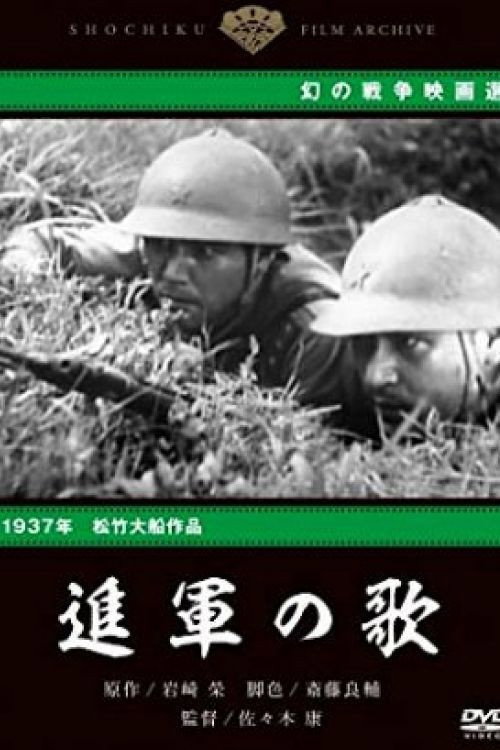
Marching Song 1937
Discover *Marching Song (1937)*, a powerful Japanese wartime drama directed by Yasushi Sasaki, set against the backdrop of Japan's pre-war military buildup.
Director: Yasushi Sasaki
Cast

Frequently Asked Questions
What is Marching Song (1937) about?
*Marching Song* follows the lives of soldiers and civilians caught in the tightening grip of wartime Japan, where duty and personal loyalty collide. Through intimate character interactions, the film examines how war reshapes relationships and priorities, even in fleeting moments.
Who directed Marching Song?
Yasushi Sasaki directed *Marching Song*. Known for his work during Japan's wartime era, Sasaki's films often reflected the social and political pressures of the time.
Who stars in Marching Song?
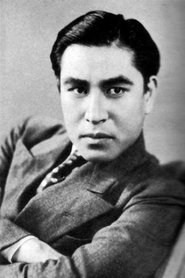
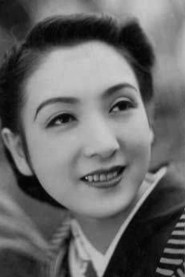
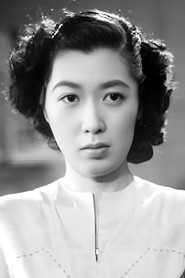
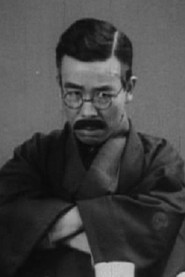
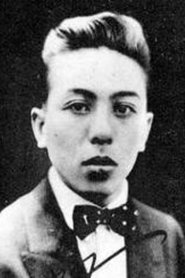
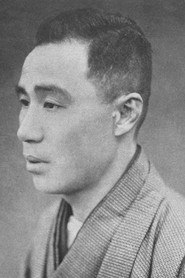
The film features Toru Hirose, Abe Isao, and Shin Saburi among its lead cast, delivering memorable performances that anchor the wartime drama.
Is Marching Song (1937) worth watching?
*Marching Song* is a fascinating artifact of 1930s Japanese cinema, offering a glimpse into wartime propaganda while grounding its story in human emotion. As a short film, it may not have the breadth of longer epics, but its intensity and historical value make it a compelling watch for film enthusiasts.
How long is Marching Song?
*Marching Song* runs for 50 minutes.
About Marching Song (1937) — The Human Face of Japan's Wartime Struggle
Discover *Marching Song (1937)*, a powerful Japanese wartime drama directed by Yasushi Sasaki, set against the backdrop of Japan's pre-war military buildup. This short but intense film explores the personal and political tensions of the era, weaving a story of duty, sacrifice, and the human cost of conflict. With a runtime of just 50 minutes, *Marching Song* packs emotional weight into every scene, blending raw drama with the unrelenting atmosphere of 1930s Japan. Starring Toru Hirose, Abe Isao, and Shin Saburi, the movie captures the era's tension through compelling performances and a somber visual style.
As a product of its time, *Marching Song* offers a window into Japan's wartime propaganda cinema, though it stands out for its nuanced character studies rather than mere political messaging. The ensemble cast brings depth to the story, making even the briefest roles memorable. For film enthusiasts and historians alike, this drama provides a poignant glimpse into a pivotal chapter of Japanese cinema and history.