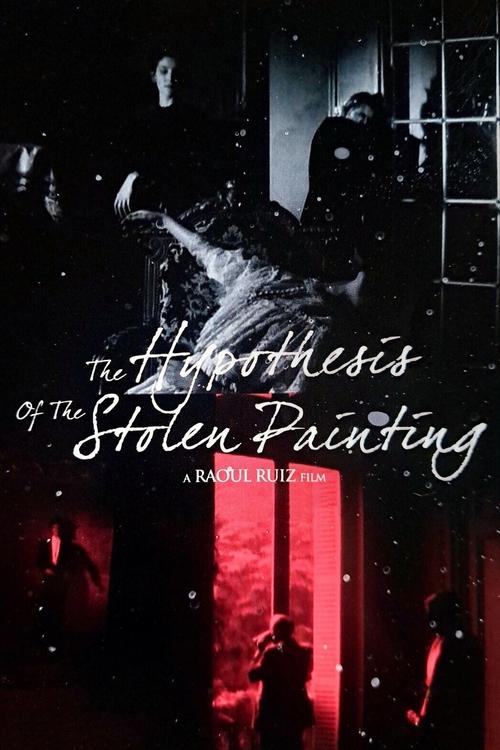
The Hypothesis of the Stolen Painting 1978
Chilean master Raúl Ruiz crafts a cerebral puzzle in The Hypothesis of the Stolen Painting (1978), blending drama and mystery into a 66-minute meditation on art's hidden narratives.
Director: Raúl Ruiz
Cast

Frequently Asked Questions
What is The Hypothesis of the Stolen Painting (1978) about?
Director Raúl Ruiz presents a mind-bending exploration of a series of paintings, where two narrators dissect their connections and hidden meanings. The film stages these artworks in lifelike settings, using actors to suggest untold stories and ambiguities that defy easy resolution.
Who directed The Hypothesis of the Stolen Painting?
The film was directed by the acclaimed Chilean filmmaker Raúl Ruiz, known for his inventive and intellectually curious approach to cinema.
Who stars in The Hypothesis of the Stolen Painting?
The cast includes Jean Rougeul, Gabriel Gascon, Raymond Pierson, Jean Reno, and Chantal Paley, each bringing depth to Ruiz's enigmatic narrative.
Is The Hypothesis of the Stolen Painting (1978) worth watching?
If you appreciate cerebral mysteries and experimental storytelling, this 66-minute gem is absolutely worth your time. Ruiz's unique vision transforms a simple premise into a haunting, thought-provoking experience, though its niche appeal may not suit all viewers.
How long is The Hypothesis of the Stolen Painting?
The film runs approximately 66 minutes, making it a concise yet dense viewing experience.
About The Hypothesis of the Stolen Painting (1978) — Raúl Ruiz's cryptic art-world puzzle
Chilean master Raúl Ruiz crafts a cerebral puzzle in The Hypothesis of the Stolen Painting (1978), blending drama and mystery into a 66-minute meditation on art's hidden narratives. The film unfolds through two distinct voices—a visible guide and an unseen interlocutor—as they dissect a sequence of paintings, each brought to life with actors inhabiting haunting, three-dimensional recreations. Ruiz transforms static canvases into dynamic stages, where gestures and expressions hint at deeper, unresolved stories. The atmosphere crackles with intellectual curiosity, inviting viewers to question what's real and what's implied. With its unconventional structure and enigmatic charm, this short yet dense work stands as a testament to Ruiz's ability to turn art history into a mesmerizing visual riddle.
At its heart, the film explores themes of perception and interpretation, challenging audiences to piece together clues without clear answers. The paintings, though rooted in tradition, pulse with movement and ambiguity, blurring the line between observer and participant. It's a rare gem for cinephiles who crave more than surface storytelling, offering a cerebral escape that lingers long after the credits roll.