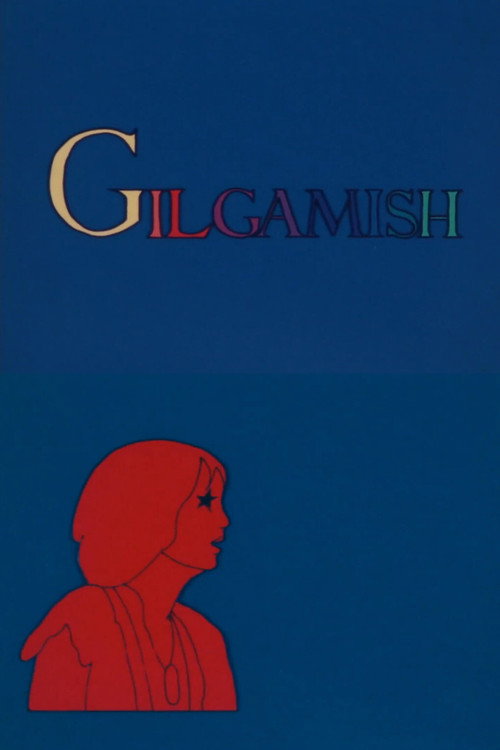
Gilgamish 1973
Step back into the experimental animation scene of the early 1970s with Gilgamish (1973), an avant-garde short from visionary animator Vince Collins.
Director: Vince Collins
Frequently Asked Questions
What is Gilgamish (1973) about?
Gilgamish (1973) distills the ancient Sumerian epic into a stripped-down visual journey, focusing on rhythm, movement, and symbolic imagery rather than dialogue. It's a meditation on myth, power, and human aspiration rendered through abstract animation.
Who directed Gilgamish?
Vince Collins directed Gilgamish (1973). Known for his influential work in experimental animation, Collins crafted early works that pushed the boundaries of visual storytelling.
Who stars in Gilgamish?
Gilgamish (1973) is an animated short and does not feature traditional actors. The film relies entirely on visual metaphor and motion to convey its story.
Is Gilgamish (1973) worth watching?
While Gilgamish (1973) is unrated and niche, its historical importance in animation and short-form experimentation makes it fascinating for enthusiasts. Its brevity and bold style reward those seeking something beyond mainstream cinema.
How long is Gilgamish?
Gilgamish (1973) runs for 4 minutes.
About Gilgamish (1973) — The Lost Mythic Short Restored and Reimagined by Vince Collins
Step back into the experimental animation scene of the early 1970s with Gilgamish (1973), an avant-garde short from visionary animator Vince Collins. This under-four-minute film represents one of Collins' earliest projects, later meticulously restored in 2021 by archivist Mark Toscano at the Academy of Motion Picture Arts and Sciences (AMPAS). More than just a curio from animation's underground, Gilgamish captures a raw, mythic energy—blending abstract visuals with the timeless tale of the legendary Sumerian king. Set against a pulsating soundscape and minimalist design, the film carries an atmosphere of both antiquity and modernist experimentation, making it a fascinating bridge between ancient lore and contemporary art.
Gilgamish (1973) isn't your typical narrative cartoon. Instead, Collins transforms myth into a visual poem, stripping the story down to its essence and rebuilding it in bold, graphic strokes. The result is a hypnotic, rhythmic experience that lingers long after the final frame. Though brief, its impact lies in its boldness—redefining what animation could express beyond dialogue or conventional storytelling. For fans of underground cinema and animation history, it's a must-see artifact of creative reinvention.