Suspension 1997
Suspension (1997) marks the intriguing debut of Anthony Discenza's experimental vision, blending raw media critique with mesmerizing visual decay.
Director: Anthony Discenza
Frequently Asked Questions
What is Suspension (1997) about?
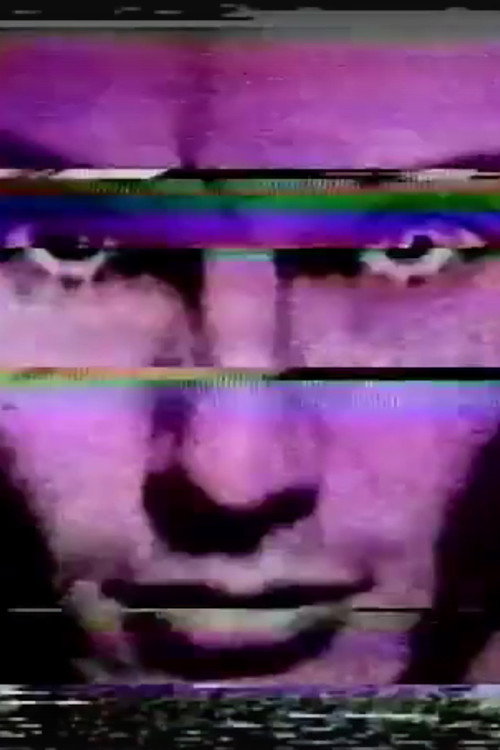
Suspension is a hypnotic short film that strips away the polish of magazine images, distorting models and celebrities into unstable, flickering ghosts through a process of analog degradation. Think of it as a visual meditation on how media imagery loses its meaning when endlessly reproduced and manipulated.
Who directed Suspension?
Anthony Discenza directed Suspension, marking an early milestone in his career as an experimental filmmaker.
Who stars in Suspension?
The cast includes various models and celebrities whose images were sourced from magazines, though specific names are not listed.
Is Suspension (1997) worth watching?
With its ultra-short runtime and experimental nature, Suspension (1997) isn't for everyone—but it's a fascinating piece for fans of avant-garde cinema or early digital art. Its themes of media distortion feel strikingly relevant today, and the improvised score adds an immersive layer to the experience.
How long is Suspension?
Suspension runs for 8 minutes, a brief but impactful dive into its themes of visual decay.
About Suspension (1997) — Anthony Discenza's experimental short film dissects media imagery with hypnotic decay
Suspension (1997) marks the intriguing debut of Anthony Discenza's experimental vision, blending raw media critique with mesmerizing visual decay. The short film begins with a striking premise: 100 static images lifted from magazines—models and celebrities frozen in time—are filmed at precise intervals before being systematically dismantled through a hypnotic process of analog distortion. Each re-recording step erodes the purity of the original footage, transforming familiar faces into flickering, unstable apparitions that ripple across the screen like glitches in perception. Accompanied by an improvised score from Jason Kleidosty, the film evolves into a haunting study of media saturation and the fragility of imagery in the digital age.
Emerging from the late-'90s avant-garde wave, Suspension (1997) feels both dated and eerily prophetic, capturing a moment when analog decay began to mirror the instability of early digital culture. Discenza's fascination with media imagery isn't just deconstructive—it's a meditation on how we consume and internalize visual narratives, even when they're unraveling before our eyes. The result is a brief but unforgettable experience: a fleeting glimpse into the cracks of representation, where beauty and distortion coexist in an uneasy truce.