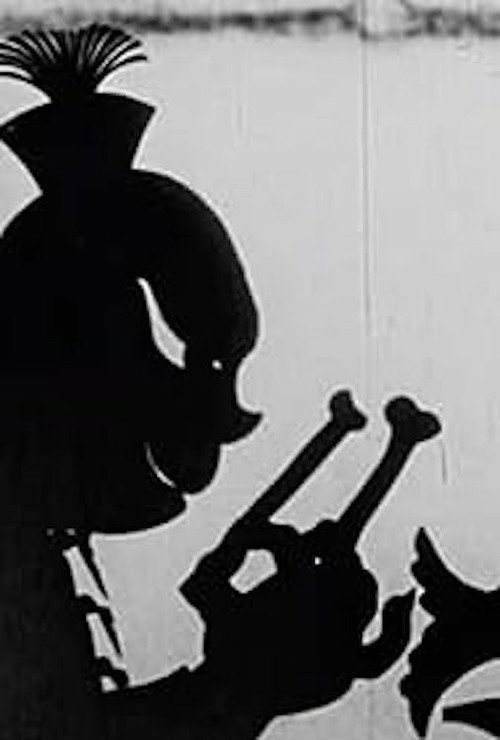
The Death Feigning Chinaman 1928
In *The Death Feigning Chinaman* (1928), a classic silhouette animation by pioneering filmmaker Lotte Reiniger, a seemingly harmless gift sparks a cascade of absurd consequences.
Director: Lotte Reiniger
Frequently Asked Questions
What is *The Death Feigning Chinaman* (1928) about?
The film follows Ping Pong, who chokes on a fish bone after celebrating with a gift of alcohol from the Emperor. Fearful of being blamed for his death, no one in the city will take responsibility, leading to a series of absurd and humorous evasions.
Who directed *The Death Feigning Chinaman*?
The film was directed by Lotte Reiniger, a pioneering German animator renowned for her innovative silhouette animation techniques in early cinema.
Who stars in *The Death Feigning Chinaman*?
The cast for this 1928 short film is not officially documented, reflecting the era's limited credit conventions for animated works.
Is *The Death Feigning Chinaman* (1928) worth watching?
While it lacks an IMDb rating, this nine-minute silent animation is a fascinating glimpse into Lotte Reiniger's groundbreaking work. Its blend of humor, cultural storytelling, and technical artistry makes it a charming watch for animation enthusiasts and silent film lovers alike.
How long is *The Death Feigning Chinaman*?
The runtime for *The Death Feigning Chinaman* is exactly 9 minutes.
About The Death Feigning Chinaman (1928) — A 9-Minute Silent-Era Animation Classic
In *The Death Feigning Chinaman* (1928), a classic silhouette animation by pioneering filmmaker Lotte Reiniger, a seemingly harmless gift sparks a cascade of absurd consequences. When Ping Pong, a humble citizen, receives a bottle of celebratory alcohol from the Emperor, his joy turns to tragedy when he chokes on a fish bone. Rather than risk blame, the entire city shirks responsibility, creating a chain reaction of avoidance that borders on the darkly comedic. Reiniger's delicate craftsmanship in this nine-minute short film transforms a simple folktale into a whimsical yet witty exploration of human nature, where fear of accountability overshadows common decency.
The film's stark black-and-white visuals and minimalist storytelling highlight Reiniger's mastery of early animation techniques, blending cultural motifs with European artistry. Set against a backdrop of imperial grandeur, the tale unfolds with a playful tone that masks its sharp commentary on bureaucracy and cowardice. Though brief, *The Death Feigning Chinaman* remains a captivating relic of silent-era cinema, offering a glimpse into Reiniger's innovative spirit and the enduring power of traditional animation.