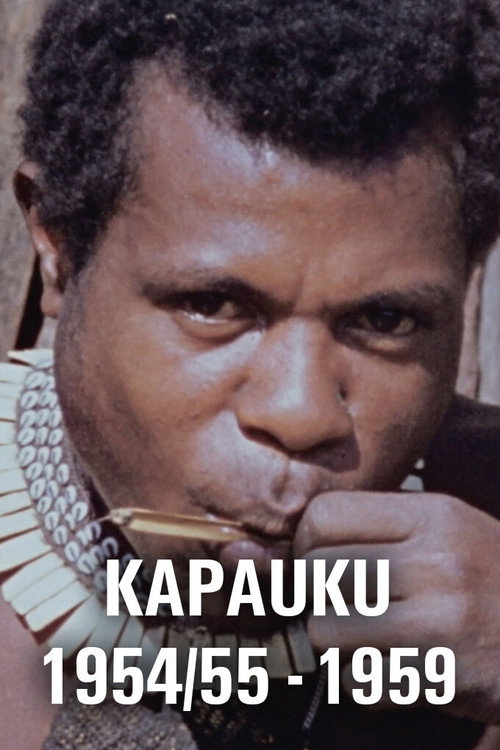
Kapauku 1954/55 - 1959 1959
Dive into Kapauku 1954/55 - 1959 (1959), an evocative anthropological documentary capturing a pivotal moment in 1950s New Guinea.
Director: Leopold Pospisil
Frequently Asked Questions
What is Kapauku 1954/55 - 1959 (1959) about?
The film documents early interactions between the indigenous Kapauku people of New Guinea and Western anthropologists, particularly Yale professor Leopold Pospisil. It serves as both an ethnographic record and a reflection on the challenges of cross-cultural research during a transformative era in Papuan history.
Who directed Kapauku 1954/55 - 1959?
The film was directed by Leopold Pospisil, a prominent Yale University anthropology professor and curator at the Peabody Museum, who dedicated decades to studying Papua New Guinea's indigenous cultures.
Who stars in Kapauku 1954/55 - 1959?
Director information is not available.
Is Kapauku 1954/55 - 1959 (1959) worth watching?
While not a mainstream narrative film, Kapauku 1954/55 - 1959 offers invaluable historical and anthropological insight for viewers interested in indigenous cultures or ethnographic studies. Its authenticity and educational value outweigh typical entertainment expectations, making it a niche but rewarding watch for the right audience.
How long is Kapauku 1954/55 - 1959?
The film runs for 63 minutes.
About Kapauku 1954/55 - 1959 (1959) — Yale Anthropology's Rare Window Into Papua's Past
Dive into Kapauku 1954/55 - 1959 (1959), an evocative anthropological documentary capturing a pivotal moment in 1950s New Guinea. Directed by renowned Yale anthropologist Leopold Pospisil, this 63-minute film documents the first recorded encounters between indigenous Kapauku tribespeople and Western scholars. Far from a simple ethnographic record, the footage immerses viewers in a culture on the cusp of change, blending raw authenticity with the curiosity of early anthropology. Through Pospisil's lens, the film explores themes of cultural exchange, tradition versus modernization, and the delicate balance between observation and participation in field research.
Shot over several years in rugged highland terrain, the documentary offers a rare glimpse into Kapauku life—from daily rituals to community structures—while reflecting the evolving role of the anthropologist as both participant and observer. Its unflinching realism and historical significance make it a compelling watch for students of anthropology, history buffs, or anyone fascinated by the intersections of human societies. Though modest in runtime, its impact lingers as a time capsule of a world encountering modernity for the first time.