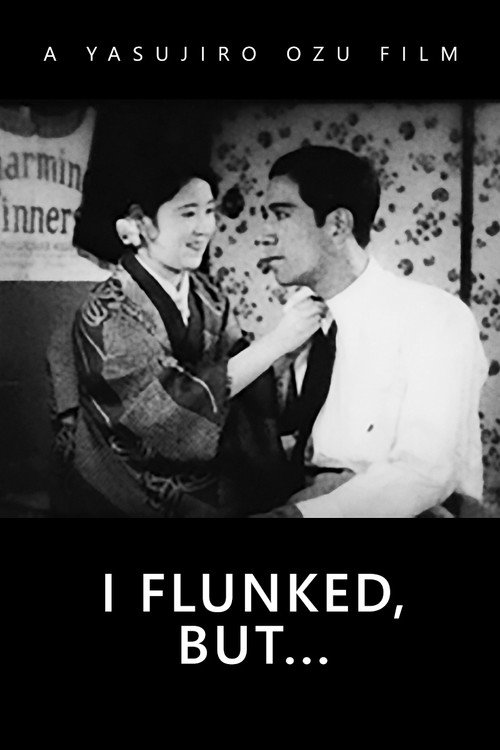
I Flunked, But... 1930
I Flunked, But... (1930) is a delightful early sound-era comedy from legendary Japanese director Yasujirō Ozu, blending humor with gentle social commentary.
Director: Yasujirō Ozu
Cast
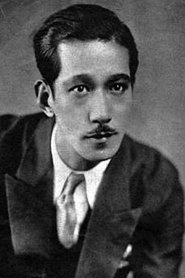
Tatsuo Saitō
Student
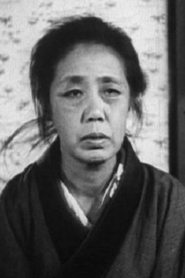
Kaoru Futaba
Landlady
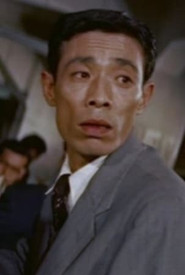
Tomio Aoki
Landlady's Son
Hiroo Wakabayashi
Teacher
Ikkō Ōkuni
Teacher

Kinuyo Tanaka
Cafe's Waitress
Hiroshi Mikura
Student

Chishū Ryū
Student
Kenji Satome
Student

Ichirō Tsukida
Student
Frequently Asked Questions
What is I Flunked, But... (1930) about?
This classic Japanese comedy follows a group of college roommates who attempt to cheat their way through exams, only to face their own comeuppance. What starts as a playful scheme spirals into a series of misadventures, blending humor with a touch of pathos. The film explores themes of youthful rebellion, friendship, and the awkwardness of failure.
Who directed I Flunked, But...?
I Flunked, But... was directed by Yasujirō Ozu, one of Japan's most celebrated filmmakers known for his subtle storytelling and keen insight into human relationships.
Who stars in I Flunked, But...?
The film features a talented ensemble cast led by Tatsuo Saitō, Kaoru Futaba, Tomio Aoki, Hiroo Wakabayashi, and Ikkō Ōkuni, with Kinuyo Tanaka adding depth to the ensemble.
Is I Flunked, But... (1930) worth watching?
For fans of early sound-era cinema or Ozu's work, this 65-minute comedy offers a charming snapshot of 1930s student life. While it's unrated, its lighthearted yet reflective tone makes it a worthwhile watch for those who enjoy character-driven stories with a dash of humor and heart.
How long is I Flunked, But...?
I Flunked, But... runs for 65 minutes, a compact runtime that keeps the energy lively and the story focused.
About I Flunked, But... (1930) — Yasujirō Ozu's early comedy of academic chaos and unexpected consequences
I Flunked, But... (1930) is a delightful early sound-era comedy from legendary Japanese director Yasujirō Ozu, blending humor with gentle social commentary. The film follows a group of mischievous college roommates who hatch a plan to cheat on their exams, only to find their schemes backfiring spectacularly. What begins as a lighthearted romp through academic chaos takes a surprisingly bittersweet turn, revealing the fragility of youthful confidence when confronted with failure. Ozu's signature observational style infuses the story with warmth and empathy, painting a vivid picture of camaraderie and the universal dread of academic disappointment.
Set against the backdrop of 1930s Japan, the movie captures the anxieties and aspirations of students navigating a rigid system. While the laughs come thick and fast, there's an underlying tenderness to the characters' struggles, making their misadventures oddly relatable even a century later. The short runtime keeps the energy breezy, but Ozu's knack for emotional depth ensures it lingers long after the credits roll.