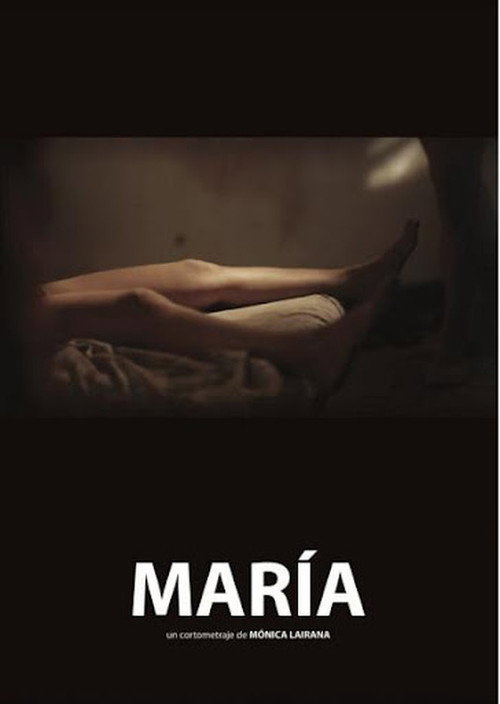
María 2013
In María (2013), director Mónica Lairana crafts a hauntingly brief drama that explores the suffocating weight of external expectations pressing down on a single, motionless figure.
Director: Mónica Lairana
Cast
Frequently Asked Questions
What is María (2013) about?
María (2013) follows a woman whose body becomes a battleground for unseen forces, symbolizing the suffocating weight of external pressures. The film uses minimal dialogue and stark visuals to explore themes of oppression and emotional paralysis. Its cryptic premise invites viewers to interpret the story through their own lens.
Who directed María?
María was directed by Mónica Lairana, an Argentine filmmaker known for her evocative and atmospheric storytelling in short films.
Who stars in María?
The film stars Nadia Ayelen Gimenez in the central role of María, delivering a performance that conveys deep emotional resonance in just 15 minutes.
Is María (2013) worth watching?
As a 15-minute drama, María offers a thought-provoking and visually striking experience that lingers long after it ends. While its brevity may not appeal to everyone, its themes of oppression and stillness make it a compelling watch for fans of intense, atmospheric cinema.
How long is María?
María has a runtime of 15 minutes.
About María (2013) — A Stark 15-Minute Drama on Oppression and Stillness
In María (2013), director Mónica Lairana crafts a hauntingly brief drama that explores the suffocating weight of external expectations pressing down on a single, motionless figure. The film's stark visuals and restrained storytelling revolve around María, whose inert body becomes the battleground for invisible forces—symbolizing emotional, societal, or psychological burdens that leave her trapped. Shot in just 15 minutes, the short film lingers on themes of oppression and inertia, using minimal dialogue to amplify its atmospheric tension. With its intense focus and cryptic premise, María invites viewers to interpret its allegorical layers, making it a standout in contemporary Argentine cinema.
Lairana's direction blends stark realism with subtle surrealism, creating a mood that oscillates between unease and existential reflection. Nadia Ayelen Gimenez delivers a quietly powerful performance, embodying María's struggle through subtle physicality in a role that demands emotional precision. The drama's brevity belies its ambition, leaving audiences to grapple with questions about freedom, resilience, and the stories we carry—or are forced to carry—within ourselves.