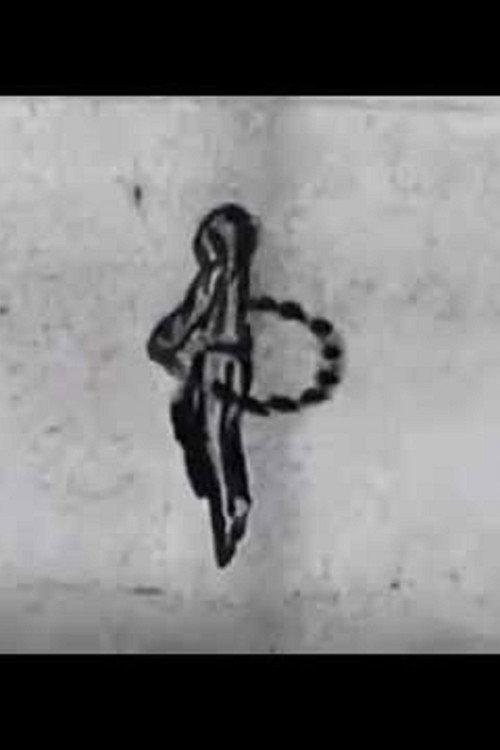
Buffon Dance 1906
Step back in time with *Buffon Dance* (1906), a pioneering gem from the earliest days of animation, crafted by the visionary Alexander Shiryaev.
Director: Alexander Shiryaev
Frequently Asked Questions
What is Buffon Dance (1906) about?
*Buffon Dance* is an early animated short that showcases a lively dance sequence, likely performed by exaggerated, puppet-like characters. Its value lies not in a complex narrative but in its technical experimentation with movement, offering a playful yet groundbreaking visual experience.
Who directed Buffon Dance?
Buffon Dance was directed by Alexander Shiryaev, a pioneering figure in early animation whose work laid the groundwork for future filmmakers.
Who stars in Buffon Dance?
The cast for Buffon Dance (1906) is not recorded, as it predates modern film credits. The film's focus was purely on the animated performance rather than individual performers.
Is Buffon Dance (1906) worth watching?
As a historical artifact, Buffon Dance (1906) is a fascinating watch for those interested in the evolution of animation. Its 2-minute runtime is a brief but rewarding dive into cinema's early experiments with motion, though it may lack the polish of later works.
How long is Buffon Dance?
Buffon Dance runs for 2 minutes, a typical length for early silent films and experimental shorts of the era.
About Buffon Dance (1906) — The Short Film That Started Animated Choreography
Step back in time with *Buffon Dance* (1906), a pioneering gem from the earliest days of animation, crafted by the visionary Alexander Shiryaev. This two-minute short film is a fascinating glimpse into the experimental spirit of early cinema, blending whimsical movement with the playful rhythm of dance. Though simple by modern standards, its charm lies in the novelty of hand-drawn motion, capturing a moment of pure, unfiltered creativity from over a century ago. The film's minimalist style and kinetic energy evoke a sense of wonder, inviting viewers to appreciate the roots of animated storytelling.
*Buffon Dance* represents a unique artifact of its era, offering a rare window into the technical and artistic challenges of early filmmakers. While its plot is lost to time, the title alone conjures images of theatrical flair and exaggerated choreography, a precursor to the elaborate dance sequences that would later define animation. Shiryaev's work stands as a testament to innovation, bridging the gap between static image and moving picture. For film enthusiasts and history buffs alike, this short but historic piece is a must-see, a fleeting yet enduring snapshot of cinema's infancy.