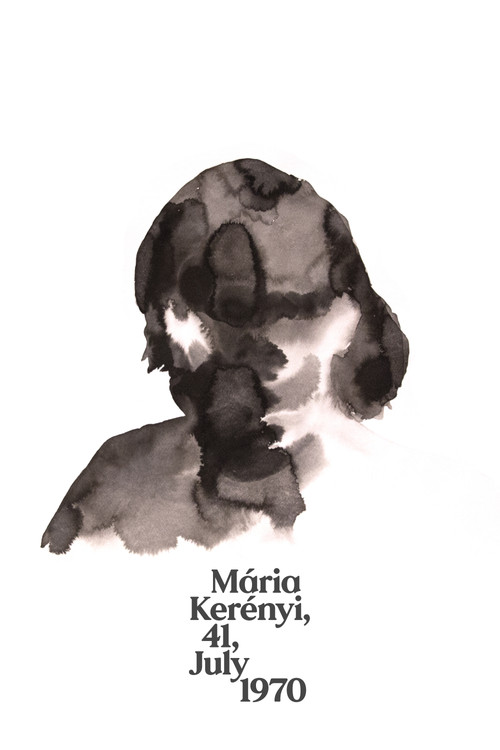
Mária Kerényi, 41, July 1970 2022
In *Mária Kerényi, 41, July 1970 (2022)*, director Daniel Misota crafts a haunting reenactment of a propaganda documentary, dissecting the chilling machinery of autocracy through the lens of espionage and moral reckoning.
Director: Daniel Misota
Cast

Frequently Asked Questions
What is Mária Kerényi, 41, July 1970 (2022) about?
This historical drama reimagines a propaganda interrogation of diplomat Mária Kerényi, whose alleged espionage exposes the ruthless mechanisms of autocracy. The film delves into guilt, identity, and survival within a society where dissent is crushed. Through slow, deliberate storytelling, it asks: how much of ourselves do we lose when we obey?
Who directed Mária Kerényi, 41, July 1970?
Daniel Misota directs this stark and atmospheric drama, using his background in visual storytelling to craft a gripping exploration of political oppression.
Who stars in Mária Kerényi, 41, July 1970?
The film features Ágnes Krasznahorkai as Mária Kerényi, alongside Sándor Terhes, Károly Hajduk, Mihály Bánki, and András Hencz in pivotal roles.
Is Mária Kerényi, 41, July 1970 (2022) worth watching?
While IMDb ratings are unavailable, its historical depth, minimalist runtime, and themes of political resistance make it compelling for fans of slow-burn dramas. The film's unique blend of drama and history offers a thought-provoking experience, though its niche appeal may limit broad mainstream interest.
How long is Mária Kerényi, 41, July 1970?
The runtime of María Kerényi, 41, July 1970 is 65 minutes.
Mária Kerényi, 41, July 1970 (2022): The Chilling Cost of Compliance — Full Movie Info
In *Mária Kerényi, 41, July 1970 (2022)*, director Daniel Misota crafts a haunting reenactment of a propaganda documentary, dissecting the chilling machinery of autocracy through the lens of espionage and moral reckoning. The film unfolds in slow, deliberate motion as diplomat Mária Kerényi is interrogated on state television, her fate intertwined with the rigid dogma of a closed society. Blending historical drama with a psychological unraveling, Misota explores themes of guilt and compliance, where every word feels like a trap. The stark atmosphere is heightened by the performances of Ágnes Krasznahorkai and Sándor Terhes, whose roles anchor the narrative in raw, unsettling realism.
This provocative short film challenges viewers to question the price of survival under oppression, using Mária Kerényi's story as a mirror to Cold War-era Hungary. With its minimalist runtime and unflinching gaze, *Mária Kerényi, 41, July 1970* is a masterclass in tension, where the silence speaks louder than words.