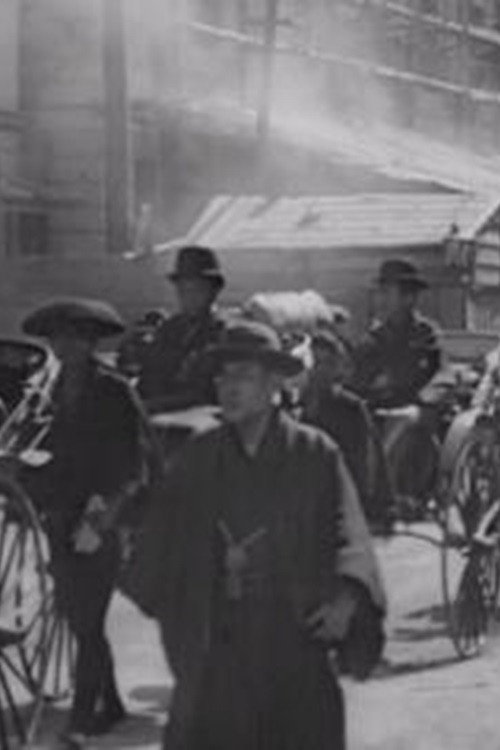
Japanese Funeral 1904
Step back to the dawn of cinema with *Japanese Funeral* (1904), one of the earliest surviving film fragments capturing life in imperial Japan.
Frequently Asked Questions
What is Japanese Funeral (1904) about?
*Japanese Funeral* (1904) offers a fleeting but powerful look at a traditional Japanese funeral ceremony from the early 1900s. The film documents the rituals and solemn atmosphere surrounding death in imperial Japan, providing a rare visual record of customs lost to time.
Who directed Japanese Funeral?
Director information is not available.
Who stars in Japanese Funeral?
Cast details for *Japanese Funeral* (1904) are not recorded, leaving the identities of those filmed a mystery.
Is Japanese Funeral (1904) worth watching?
While *Japanese Funeral* (1904) clocks in at just one minute, its historical significance makes it fascinating for film buffs and Japanophiles. As an early documentary, it's less about entertainment and more about preservation—an artifact that predates narrative cinema itself.
How long is Japanese Funeral?
Japanese Funeral (1904) runs for approximately 1 minute.
About Japanese Funeral (1904) — Witness One of the Earliest Films of Japan
Step back to the dawn of cinema with *Japanese Funeral* (1904), one of the earliest surviving film fragments capturing life in imperial Japan. This brief but mesmerizing documentary glimpse transports viewers to a bygone era, offering a rare window into Japanese funeral customs during the late Meiji period. Shot in stark black-and-white, the footage carries an eerie quietness, evoking the solemnity of tradition while showcasing the dignity of ritual. Though minimal in runtime, it stands as a poignant artifact of early filmmaking, blending anthropological curiosity with cinematic innocence. The silent visuals speak volumes, inviting modern audiences to ponder how cultural practices evolve—or endure—across centuries.
Though shrouded in mystery due to the lack of director or cast credits, *Japanese Funeral* endures as a testament to the universality of human rites of passage. Its historical value transcends its brevity, making it a must-see for film historians and Japanese culture enthusiasts alike. The grainy, flickering footage feels almost ghostly, as if whispering fragments of stories untold from a world now vanished. For those fascinated by the intersection of history and cinema, this 60-second relic is a treasure worth discovering—or rediscovering—on multiple devices.