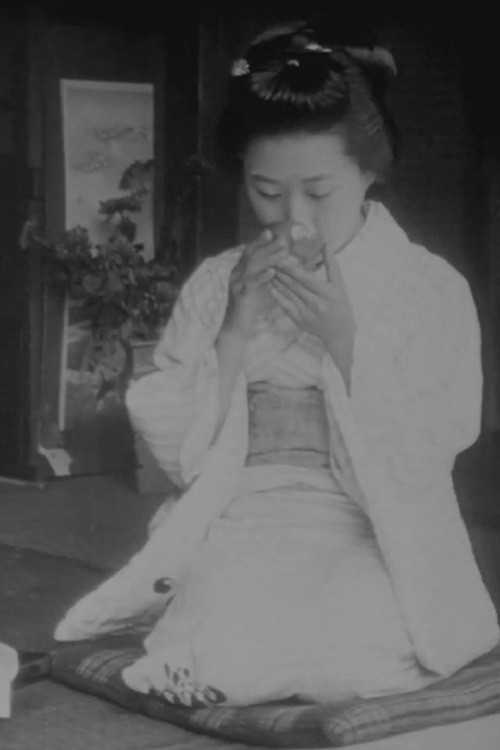
Japanese Types 1911
Step back to 1911 with *Japanese Types*, one of the earliest surviving glimpses of Japan captured on film. Shot in short, documentary format, the five-minute reel offers a window into daily life, culture, and landscapes of early 20th-century Japan.
Frequently Asked Questions
What is Japanese Types (1911) about?
*Japanese Types* is a short documentary that showcases daily life in Japan during the early 1900s. The film presents a series of scenes depicting cultural practices, urban and rural landscapes, and the people of the era through silent, black-and-white footage.
Who directed Japanese Types?
Director information is not available.
Who stars in Japanese Types?
The film features an uncredited cast, typical of early documentary shorts from this period.
Is Japanese Types (1911) worth watching?
For film historians and culture enthusiasts, *Japanese Types* is a fascinating artifact worth watching. Its historical value outweighs technical limitations, offering a rare window into Japan's past. While not a narrative film, its authenticity makes it a compelling watch for those interested in early cinema.
How long is Japanese Types?
The runtime is approximately five minutes.
🎥 Trailer
About Japanese Types (1911) — Early 20th-Century Japan on Film
Step back to 1911 with *Japanese Types*, one of the earliest surviving glimpses of Japan captured on film. Shot in short, documentary format, the five-minute reel offers a window into daily life, culture, and landscapes of early 20th-century Japan. The grainy yet fascinating footage reveals bustling streets, serene temples, and traditional customs, all frozen in time. As a historical artifact, it serves as both a visual diary and a cultural snapshot, inviting viewers to witness a nation on the cusp of modernity. The genre's simplicity belies its richness, making *Japanese Types (1911)* a miniature time capsule for film enthusiasts and history buffs alike.
While the director and cast remain anonymous—a common trait for films of this era—the documentary's power lies in its authenticity. The unfiltered lens captures moments that feel both distant and intimately close, evoking curiosity about the people and places depicted. For those exploring the evolution of cinema or the history of Japan, this brief but evocative film is a rare and precious find.