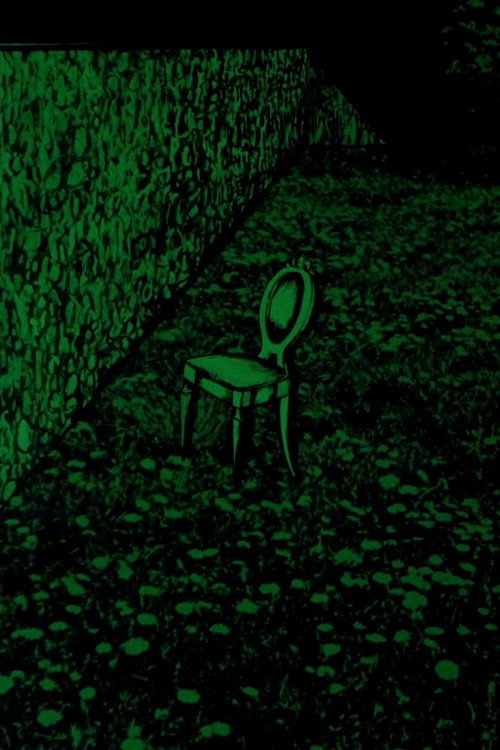
Ludwik 1976
Ludwik (1976) is a distinctive animated short film that follows an elegant Louis XIV chair on an unexpected journey.
Director: Jerzy Kalina
Frequently Asked Questions
What is Ludwik (1976) about?
Ludwik follows a decorative Louis XIV chair that leaves its home interior to experience nature firsthand, only to be transformed by a chainsaw into generic, practical objects. The film uses this unusual premise to explore themes of artistic destruction and industrial standardization.
Who directed Ludwik?
The film was directed by Jerzy Kalina, a noted animator known for his distinctive visual style and experimental approach to storytelling in Polish animation.
Who stars in Ludwik?
Cast information for Ludwik (1976) is currently unavailable, as this animated short focuses primarily on visual storytelling rather than voice performances.
Is Ludwik (1976) worth watching?
For fans of avant-garde animation and symbolic storytelling, Ludwik offers a unique 9-minute experience that blends surreal imagery with meaningful commentary on art and industry, making it a worthwhile watch for genre enthusiasts.
How long is Ludwik?
Ludwik has a runtime of 9 minutes, making it a concise yet impactful animated short film.
About Ludwik (1976) — Surreal Animation Meets Industrial Metaphor
Ludwik (1976) is a distinctive animated short film that follows an elegant Louis XIV chair on an unexpected journey. Directed by Jerzy Kalina, this nine-minute animation takes viewers on a surreal adventure as the stylish piece of furniture escapes from its domestic confines and ventures into the unpredictable world outside. The film explores themes of freedom, transformation, and the clash between ornamental beauty and utilitarian function.
As the chair encounters the raw forces of nature, it faces a dramatic confrontation with a chainsaw that systematically converts everything into identical, practical objects. This metaphorical destruction sequence serves as a commentary on industrialization and the loss of artistic individuality. The animation style captures both the grandeur of the original furniture piece and the brutal efficiency of mechanical transformation. Though the cast remains uncredited, the film's visual storytelling speaks volumes about creativity versus conformity.
Kalina's work presents a thought-provoking narrative wrapped in accessible animation, making it a compelling piece for fans of experimental cinema. The brief runtime delivers a powerful message about preserving artistic heritage in the face of standardization. Those interested in unique animated works from the 1970s will find Ludwik (1976) a fascinating glimpse into Eastern European animation artistry.