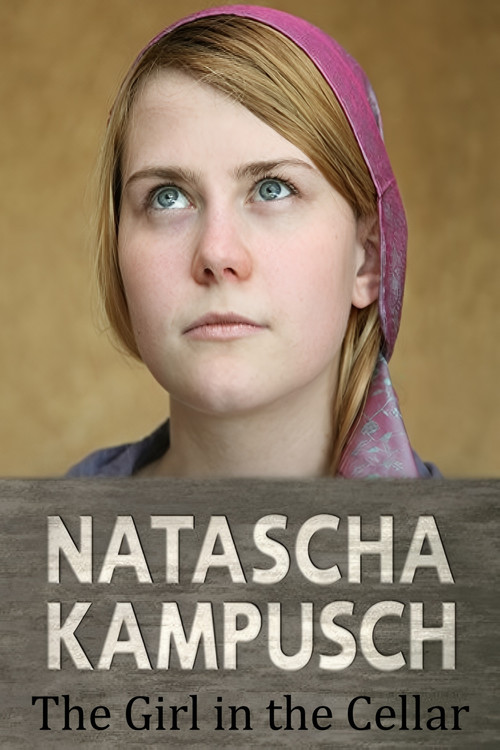
Natascha Kampusch: The Girl in the Cellar 2010
Natascha Kampusch: The Girl in the Cellar (2010) offers an unflinching firsthand account of survival and resilience through a harrowing documentary interview.
Director: Alina Teodorescu
Cast

Frequently Asked Questions
What is Natascha Kampusch: The Girl in the Cellar (2010) about?
This documentary chronicles the ordeal of Natascha Kampusch, who was held captive in a cellar for eight years by her captor, Wolfgang Priklopil. The film centers on her direct testimony, revealing the psychological toll of her confinement while exploring themes of endurance and recovery.
Who directed Natascha Kampusch: The Girl in the Cellar?
Alina Teodorescu directed this gripping documentary, guiding the narrative with a focus on Kampusch's personal account and its emotional resonance.
Who stars in Natascha Kampusch: The Girl in the Cellar?
The documentary features Natascha Kampusch as the central figure, with her unfiltered testimony forming the core of the film.
Is Natascha Kampusch: The Girl in the Cellar (2010) worth watching?
As a documentary, it offers a powerful, firsthand perspective on an extraordinary story of survival. While it may not be an easy watch, its authenticity and emotional depth make it a significant viewing experience for fans of true-crime and resilience narratives.
How long is Natascha Kampusch: The Girl in the Cellar?
The documentary runs for 51 minutes, delivering a concise yet impactful exploration of its subject matter.
About Natascha Kampusch: The Girl in the Cellar (2010) — A harrowing documentary on survival and resilience
Natascha Kampusch: The Girl in the Cellar (2010) offers an unflinching firsthand account of survival and resilience through a harrowing documentary interview. Directed by Alina Teodorescu, this 51-minute film immerses viewers in the psychological endurance of Natascha Kampusch, who endured eight years of captivity in an isolated underground cellar. The raw honesty of her testimony sheds light on themes of trauma, resilience, and the human spirit's ability to reclaim agency under unimaginable circumstances. Shot with stark realism, the documentary captures the eerie atmosphere of confinement while emphasizing the power of storytelling to confront and process profound suffering.
Through Teodorescu's sensitive direction, the film transcends mere recounting to become a meditation on how trauma shapes identity and the slow, painful journey toward healing. Kampusch's voice, both steady and vulnerable, brings a haunting authenticity to the project, making it a compelling watch for those interested in true-crime narratives and human resilience. The documentary's brevity enhances its intensity, ensuring every moment lingers in the mind long after the credits roll.