Dancing 1933
Step into the vibrant world of 1930s Argentina with *Dancing (1933)*, a lively musical escapade directed by Luis Moglia Barth.
Director: Luis Moglia Barth
Cast




Frequently Asked Questions
What is Dancing (1933) about?
This 1933 Argentine musical unfolds in the dazzling world of a Buenos Aires cabaret, where a man's reckless choice between a mature lover and a younger beauty sets the stage for a series of melodic dramas set to tango rhythms.
Who directed Dancing?
The film was directed by Luis Moglia Barth, a key figure in early Argentine cinema known for his work in blending music and storytelling.
Who stars in Dancing?
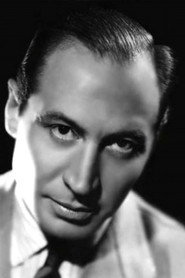
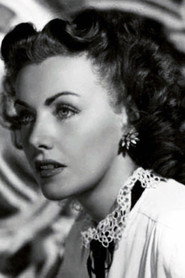
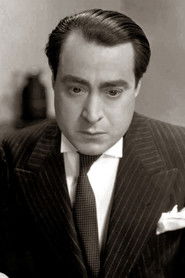
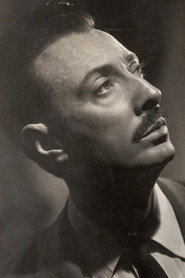
The film features Amanda Ledesma, Arturo García Buhr, and Alicia Barrié in lead roles, along with Amelia Bence and Tito Lusiardo.
Is Dancing (1933) worth watching?
*Dancing (1933)* is a fascinating relic of 1930s cinema, offering a glimpse into the musical and cultural trends of its time. While the plot is simple, its musical performances and nostalgic atmosphere make it a compelling watch for fans of early sound films and tango music.
How long is Dancing?
The runtime of *Dancing (1933)* is 82 minutes.
About Dancing (1933) — The Lost Tango Romance of 1930s Argentina
Step into the vibrant world of 1930s Argentina with *Dancing (1933)*, a lively musical escapade directed by Luis Moglia Barth. Set against the electric atmosphere of a Buenos Aires cabaret, this lost gem follows the tangled romance of a man who leaves his sophisticated lover for a dazzling younger beauty. The film serves as a sparkling showcase for tango and popular songs of the era, blending seductive rhythms with a drama that's equal parts glamorous and bittersweet. With its melodic charm and nostalgic pulse, *Dancing (1933)* offers a snapshot of a bygone era's entertainment culture, where music and heartache dance hand-in-hand on stage and off.
Starring the radiant Amanda Ledesma, the charismatic Arturo García Buhr, and the rising star Alicia Barrié, the film weaves together romance and rhythm in a narrative that's more about the performances than the plot. The cabaret setting pulses with life, its neon lights and swaying melodies masking the complexity of a love triangle that's as fleeting as a single verse of a tango. Though the film itself is now considered lost, its legacy lives on as a testament to the golden age of Argentine cinema.
Stream or download *Dancing (1933)* to experience the magic of early musical cinema, where every note carries a story and every step tells a tale.