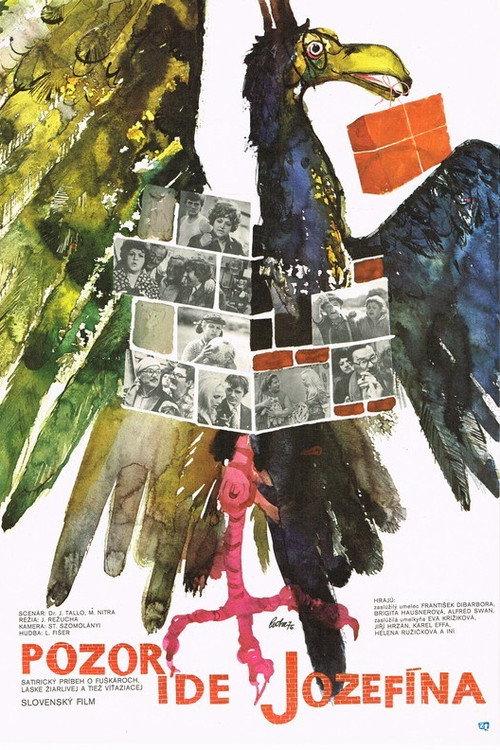
Pozor, ide Jozefína... 1977
In *Pozor, ide Jozefína... (1977)*, Slovak cinema's sharpest satire takes center stage as young teacher Jozefína wages a spirited battle against cunning bricklayers exploiting their neighbors.
Director: Jozef Režucha
Cast
Frequently Asked Questions
What is Pozor, ide Jozefína... (1977) about?
This satirical comedy follows Jozefína, a dedicated teacher who takes on a group of unscrupulous bricklayers exploiting her village. After overcharging for shoddy work under false pretenses, these tradesmen leave the community in chaos—until Jozefína steps in to restore justice.
Who directed Pozor, ide Jozefína...?
Jozef Režucha, a notable figure in Slovak cinema, directed this witty and socially astute comedy.
Who stars in Pozor, ide Jozefína...?
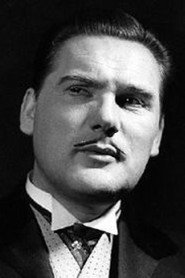
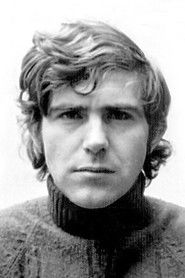
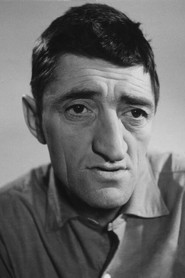
The film features Alfréd Swan, Brigita Hausnerová-Sitárová, František Dibarbora, Karol Černík, and František Kabrheľ in key roles.
Is Pozor, ide Jozefína... (1977) worth watching?
While it's an unrated classic, this lighthearted satire offers clever humor and a nostalgic glimpse into 1970s Czechoslovakian village life. Its themes of resilience and justice make it a charming watch for fans of old-school comedies who appreciate wit over spectacle.
How long is Pozor, ide Jozefína...?
Runtime details are not listed.
About Pozor, ide Jozefína... (1977) — A Slovak Comedy of Wit and Village Rebellion
In *Pozor, ide Jozefína... (1977)*, Slovak cinema's sharpest satire takes center stage as young teacher Jozefína wages a spirited battle against cunning bricklayers exploiting their neighbors. Under the guise of kindness, these tradesmen inflate prices and deliver shoddy work, leaving the villagers of western Slovakia in financial ruin. Directed by Jozef Režucha, this lighthearted comedy blends wit with social commentary, painting a vivid portrait of small-town resilience against greed.
With a stellar cast led by Alfréd Swan and Brigita Hausnerová-Sitárová, the film balances humor with heart, evoking nostalgia for simpler times while poking fun at human folly. Its breezy tone and clever dialogue make it a standout in 1970s Czechoslovakian cinema, perfect for fans of underdog stories and clever comedies.